The 10 Step Guide to Musicality in Latin Dance
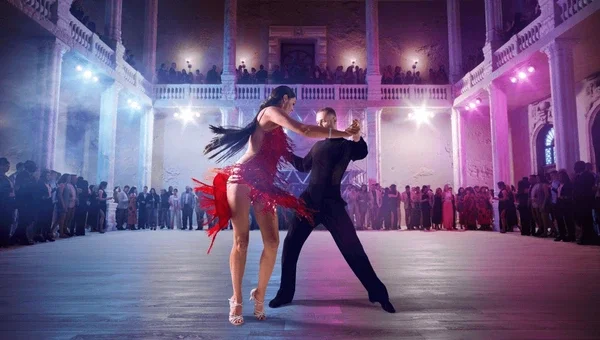
When people watch Latin dancing, they often say the best couples seem to “become” the music. Their bodies breathe with the rhythm, their movements feel like a natural extension of the song, and everything looks effortless. This quality is what dancers call musicality. It is the ability to connect your body to the music in a way that feels both natural and expressive. In Latin dancing, musicality is more than just keeping time. It is about interpreting rhythm, melody, and energy in a way that brings Cha Cha, Samba, Rumba, Paso Doble, and Jive to life.
Developing musicality can feel like a mystery, especially if you are newer to dancing. The good news is that it is not just a talent some people are born with. Musicality is a skill, and like posture, balance, or footwork, it can be improved with practice. In this post, we will explore what musicality really means, why it matters so much in Latin dance, and how you can build it step by step.
What Is Musicality?
At its core, musicality is how dancers interpret and express music with their bodies. It includes three main components:
Rhythm: Understanding the timing of beats and accents.
Melody and phrasing: Feeling the rise and fall of the music beyond the basic beat.
Expression: Choosing movement, styling, and energy that matches the mood of the song.
In Latin dancing, rhythm is the foundation, but the artistry comes when you go further. For example, in Cha Cha, you might emphasize the sharpness of the beats with crisp hip actions. In Rumba, the slow, romantic quality of the music calls for softer, more fluid body movements. Musicality is the bridge between steps and artistry.
Why Musicality Matters in Latin Dance
Musicality is what separates a technically correct dancer from a captivating one. You can know all the steps and timing, but if your movements feel disconnected from the song, the dance will seem mechanical. Musical dancers, on the other hand, create performances that feel alive. Here are a few reasons it is so important:
Connection with your partner: Musicality helps you and your partner move as one with the music
Audience impact: Spectators, even if they are not dancers, feel the music through you
Competition success: Judges in Latin dance look for musicality as a key criterion
Personal enjoyment: Dancing musically feels more satisfying and less like memorizing patterns
Think of it this way: dancing without musicality is like reciting a poem without emotion. The words are correct, but the heart is missing.
Step One: Train Your Ear
Before your body can respond musically, your ear needs to recognize the structures in the music. Most people can hear a beat, but musical dancers go further. They notice accents, phrasing, and dynamic changes. Training your ear takes patience but is the foundation of everything else.

Count the music: Practice counting “1, 2, 3, 4” or “2, 3, 4, 1” depending on the dance. Do this with recordings of Cha Cha, Rumba, or Jive.
Identify strong beats: In Cha Cha, the strong beats are usually on 2 and 4. In Samba, the rhythm has a bounce that you need to feel rather than just count.
Listen for phrases: Most Latin music is grouped in phrases of 8 beats. Being able to hear where phrases begin and end helps you match your movements to the larger flow.
Pay attention to instruments: Notice the difference between the rhythm section (drums, percussion) and the melody (strings, horns, vocals).
Step Two: Feel the Rhythm in Your Body
Once you can hear the rhythm, you need to embody it. This means letting the timing live in your steps, hips, and body actions. Here are some ways to practice:
Walk to the beat: Put on a Rumba track and simply walk around your room in time with the music. Exaggerate the hip movement to connect your body to the rhythm
Clap or tap: Clap the rhythm while you listen to Samba, or tap your foot along with Jive. This builds a physical link between what you hear and what you do
Isolate actions: In Cha Cha, practice sharp hip actions to match the crisp beats. In Samba, focus on body bounce timed with the rhythm section
The goal is to make rhythm automatic so your body responds without conscious thought.
Step Three: Match Movement Quality to the Music
Musicality is not just about being “on time.” It is also about how your movements feel. Each Latin dance has a different character, and the music tells you how to express it.
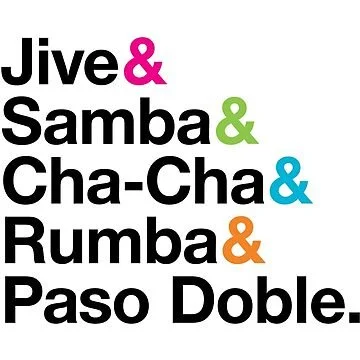
Cha Cha: Playful and sharp. Use quick, staccato movements to reflect the lively rhythm
Samba: Bouncy and joyful. Emphasize rise and fall with body bounce
Rumba: Romantic and smooth. Stretch your movements and use body waves to capture the emotion
Paso Doble: Dramatic and powerful. Use strong lines and emphasize accents with bold actions
Jive: Energetic and fast. Keep your movements light and springy
Try dancing the same basic step with two different qualities, for example sharp versus soft. Notice how each version feels with the music.
Step Four: Learn to Play with Accents
Once you can stay on time and match movement quality, the next level of musicality is accenting. This means highlighting certain beats or moments in the music with your movement. Instead of every step being equal, you use weight shifts, body actions, or pauses to draw attention to the music.
Examples:
In Rumba, hold a movement through a slow beat to create tension, then speed up later
In Cha Cha, snap your head or hand on a strong beat when turning
In Paso Doble, match your poses to the crash of the cymbals
This is where dancing becomes more than just following the rhythm. You are now interpreting the music.

Step Five: Use Musical Phrasing
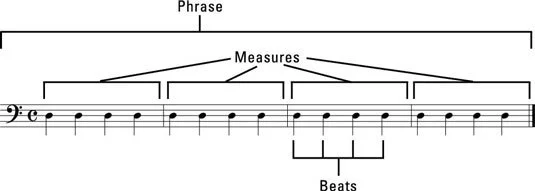
Just like sentences in speech, music has phrases. A phrase is usually 8 beats long, and several phrases make up a section. Great dancers structure their movement to match these larger phrases.
For example:
In Samba, you might build energy over one phrase and then release it on the last beat
In Jive, you might add extra flair at the start of a new phrase to signal freshness
Practicing phrasing helps your dancing feel more connected to the shape of the song instead of just beat-to-beat.
Step Six: Express Emotion Through Movement
Latin music is full of passion, energy, and storytelling. To truly dance musically, you must allow your body to reflect the emotional quality of the song. This does not mean overacting. It means being sensitive to the mood and letting it guide your expression.
Rumba: show tenderness, longing, or romance
Paso Doble: channel intensity and drama
Cha Cha: express flirtation and playfulness
Samba: radiate celebration and joy
Jive: embody fun and excitement
Practice by listening to a song without dancing, and write down what emotions you feel. Then, try dancing and let those emotions shape your movement.
Step Seven: Practice Improvisation
One of the best ways to improve musicality is to step away from set choreography and improvise. When you improvise, you are forced to respond directly to the music. This builds confidence and creativity.
Start with basics: Dance simple Rumba walks or Cha Cha basics, but vary how you do them to match the music
Change directions: Let the phrasing tell you when to switch
Add pauses: Stop and hold when the music suggests it
Improvisation helps you move beyond just “what step comes next” and into “how do I want to express this beat.”
Step Eight: Watch and Analyze Great Dancers
You can learn musicality by studying those who already embody it. Watch professional Latin dancers
and pay attention to how they interpret music.
Notice how their movements change with the character of the song
Observe where they pause, accent, or extend movements
Study how their energy shifts across phrases
Do not just copy them, though. Use what you see to inspire your own musicality.
Step Nine: Combine Technique with Feeling
It is important to remember that musicality does not replace technique. They work together. Without technique, your musicality will look messy. Without musicality, your technique will look empty. The goal is to fuse them.
For example, a perfect Rumba walk means little if it does not match the music. On the other hand, feeling the music deeply but lacking clean footwork will distract from your interpretation. The sweet spot is when your strong technique allows you to express the music fully.
Step Ten: Make Musicality a Habit
Musicality is not something you turn on only for performances. The best dancers practice it all the time. Here are a few tips:
Switch between different songs for the same dance to learn versatility
Challenge yourself with faster or slower tracks
Record your practices and check if your movements look musical
Over time, musicality becomes second nature.
Conclusion: Bringing Music to Life
Musicality is what makes Latin dancing magical. It transforms steps into stories, rhythms into emotions, and movement into art. Building musicality takes time, patience, and lots of listening, but every small step you take brings you closer to that effortless connection between music and body.
As you practice, remember that Latin dancing is not just about doing the steps correctly. It is about feeling the music, interpreting it, and letting it guide you. When you start to truly hear and embody the rhythm, melody, and energy, your dancing will feel richer and more satisfying.
If you are ready to explore musicality in your own dancing, come join us at Vegas Ballroom Dance. Our classes are designed to help beginners build both solid technique and a deep connection to music, whether you are drawn to the drama of Paso Doble or the playfulness of Cha Cha. Dancing with us is not only a chance to improve your skills, it is also a way to experience the joy of truly moving with the music!