Stretching and Conditioning Every Ballroom Dancer Should Do
Whether you dance waltz, tango, cha cha, or samba, one thing all dancers share is the need for a healthy, strong, and flexible body. Ballroom and Latin dancing require balance, stability, core strength, and control. Every dancer, from the retiree who takes lessons once a week to the competitive athlete training daily, benefits from conditioning that supports technique and prevents injury.
At Vegas Ballroom Dance, we believe good movement begins with good body care. Many dancers assume stretching is just about being flexible or that strength training will make them “bulky.” In reality, a targeted conditioning plan will make your dancing smoother, easier, and safer. This post will guide you through the science of stretching and conditioning, explain what works and what doesn’t, as well as give you adaptable exercises you can safely integrate into your weekly practice.
The Science of Stretching for Dancers
Static vs. Dynamic Stretching
Most people picture stretching as holding a pose for 20 or 30 seconds. That is known as static stretching, and while it increases range of motion over time, it is not ideal before dancing. Studies show that static stretching before activity can temporarily decrease muscle strength and power output.
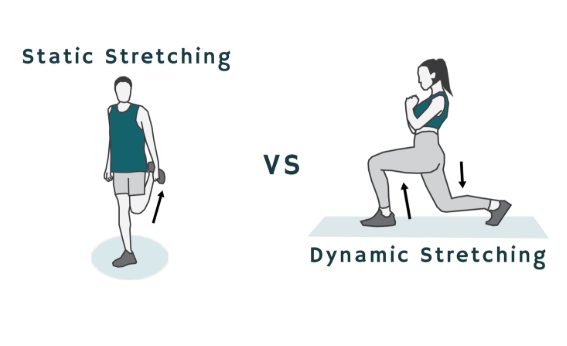
Before practice, class, or competition, dynamic stretching (stretching through movement) is more effective. These are gentle, controlled motions that warm up muscles and maintain their readiness to perform, while creating a stretch by moving your joints through their full active range of motion. Examples include leg swings, torso rotations, and arm circles.
Static stretching is best saved for after dancing or workouts, when muscles are warm and more pliable.
Stretching Routine
Dynamic stretching for 5–10 minutes before practice
Static stretching for 10–20 minutes after dancing
Longer holds of static stretching beyond 60 seconds can sometimes increase soreness.
Why Ballroom and Latin Dancers Need Different Emphasis
Both ballroom and Latin dancers benefit from flexibility, but the demands on the body differ. Understanding those differences helps you train intelligently.
Ballroom Dancers
Ballroom (Waltz, Tango, Foxtrot, Quickstep, Viennese Waltz) emphasizes posture, frame, and lower body glide. Dancers must maintain an elongated spine and a lifted ribcage while keeping their core engaged and knees soft. The focus should be on flexibility in the upper back, shoulders, and hips, combined with stability in the core and legs.
Key areas to stretch and strengthen:
Chest and shoulders for a wide frame
Upper back and neck for posture endurance
Hip flexors for long strides
Calves and ankles for rise and fall
Latin Dancers
Latin (Cha Cha, Rumba, Samba, Paso Doble, Jive) emphasizes rhythmic isolation, hip rotation, and speed. Dancers must articulate through their spines, ribs, and hips while maintaining control from the core downward. Latin dancers often benefit from increased hip mobility and ankle flexibility, but must pair that with core stability to avoid overextension.
Key areas to stretch and strengthen:
Lower back and abdominals for control and twisting
Hip flexors and rotators for Cuban motion
Hamstrings for grounded leg action
Feet and calves for precise movement
The Three-Part Conditioning Plan
A complete dancer’s conditioning plan should include:
Dynamic Warm-Up – To increase circulation, raise temperature, and prepare joints for movement
Targeted Strength and Balance Training – To build endurance, control, and injury resistance
Flexibility and Mobility Work – To maintain range of motion and recover from practice
Below, we’ll go through each phase in detail with specific examples.
1. Dynamic Warm-Up (Before Dancing)
Start every session with 5–10 minutes of full-body dynamic warm-up. This increases heart rate, lubricates joints, and primes your nervous system for coordination.
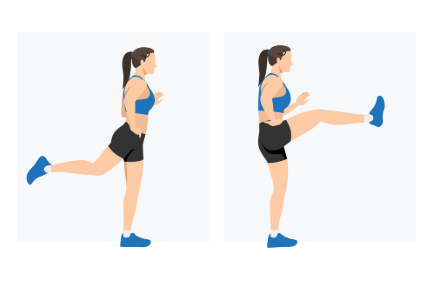
Here is an example warm up session, but feel free to add, remove, or modify exercises based on your body and your needs:
1. Arm Circles – 10 forward and 10 backward each side
2. Torso Twists – 15 per side
3. Leg Swings Front-to-Back – 15 per leg
4. Side Leg Swings – 15 per leg
5. Walking Lunges with a Twist – 10 each leg
6. Ankle Circles – 10 each direction
7. Shoulder Rolls – 10 forward and 10 backward
2. Strength and Stability Training
Strength training is not just for athletes. It helps dancers of all ages move better and safer. Weak muscles lead to poor alignment and compensation patterns that increase injury risk. Proper conditioning supports balance, power, and grace.
Core Strength
The core is more than just abs; it includes the muscles of your spine, pelvis, and hips. A strong core stabilizes your frame and improves your turns and hip action.
Evidence-based exercises:
Dead Bugs – Great for coordination and lower back safety
Plank with Shoulder Tap – Builds anti-rotation stability
Bird Dogs – Strengthens spinal stabilizers
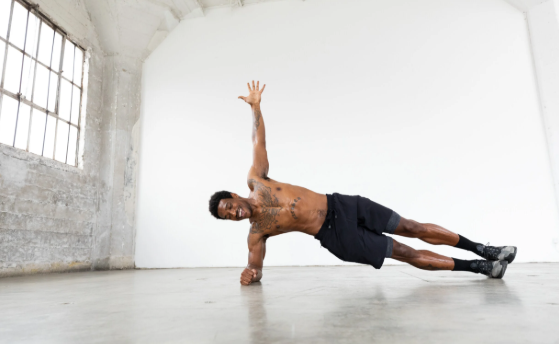
Side Planks – Improves lateral core endurance
Perform 2–3 sets of each, holding or repeating for 30–45 seconds per side.
Lower Body Power
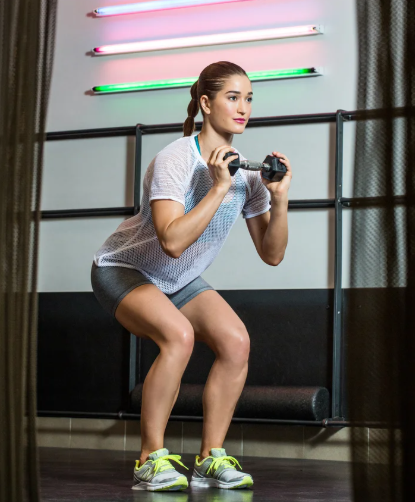
Dancers need leg strength for propulsion, control, and balance.
Recommended exercises:
Squats (bodyweight or goblet) – Builds quads and glutes for stability
Lunges – Mimics dance step mechanics and hip control
Calf Raises – Strengthens ankles for rise and fall
Glute Bridges – Reinforces hip alignment
Use moderate resistance and focus on perfect form rather than heavy loads.
Older dancers can perform these near a barre or chair for balance assistance.
Upper Body and Frame Support
A strong back and open chest are essential for maintaining your frame without tension.
Effective exercises include:
Resistance Band Rows – Builds scapular stability
Reverse Fly's – Strengthens rear shoulders
Chest Openers with Bands – Increases shoulder flexibility
These help prevent rounded shoulders, a common issue among both desk workers and dancers.
3. Flexibility and Mobility Work (After Dancing)
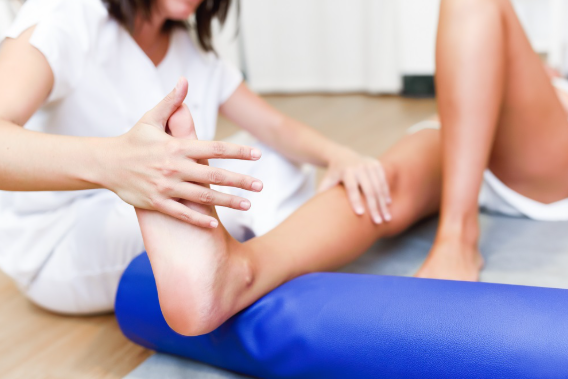
After your dance session, static stretching helps relax muscles, improve recovery, and preserve range of motion. Stretch when your body is still warm.
Post-Class Stretch Routine
Hold each stretch for 20–60 seconds, repeat 2–3 times per area:
Hip Flexor Stretch – Kneel on one knee, push hips forward gently
Hamstring Stretch – Seated or standing, hinge from hips
Chest Stretch Against Wall – Turn your body away from an extended arm
Upper Back Stretch – Round the back gently and reach arms forward
Calf Stretch – Press heel into the floor
Neck Rolls and Tilts – Slow and controlled, not forced
Remember: flexibility gains take time. Aim for consistency rather than intensity.
Cross-Training for Ballroom and Latin Dancers
Many competitive and social dancers supplement their classes with fitness activities. Research shows that cross-training reduces injury risk and improves performance.
Here are smart options supported by evidence from sports medicine and dance physiology studies:
Yoga or Pilates
Improves balance, breathing, and flexibility
Builds deep core strength
Reduces stress
Swimming or Cycling
Enhances cardiovascular endurance
Low impact on joints
Weight Training
Strengthens connective tissue and muscle
Improves power for jumps and foot articulation
Walking or Elliptical
Good for active recovery on rest days
Each dancer’s plan should reflect their lifestyle and goals. A retired social dancer might focus on mobility and gentle strengthening, while a 20-year-old competitor may benefit from more intense interval conditioning.
Injury Prevention and Recovery
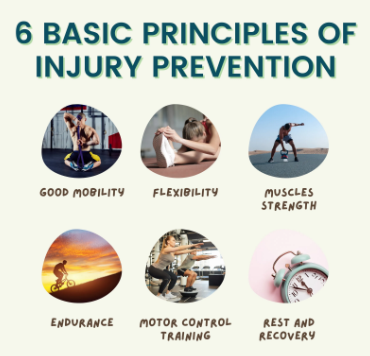
Even with good technique, ballroom and Latin dancing put repetitive strain on certain joints and muscles. The most common injuries among dancers are ankle sprains, knee pain, and lower back tightness.
Evidence-based prevention strategies include:
Gradual Progression: Increase practice time and intensity slowly
Footwear Awareness: Always wear proper dance shoes with good fit
Rest and Recovery: Take at least one full day off per week
Hydration and Nutrition: Dehydrated muscles are more prone to injury
Professional Check-Ins: Consider visiting a dance medicine specialist or physical therapist yearly
Research from the Journal of Dance Medicine & Science confirms that dancers who perform consistent strength and conditioning have significantly fewer injuries and report greater performance longevity.
Modifications for Age and Fitness Level
One of the great things about ballroom dancing is that it’s accessible at any age. However, stretching and conditioning should reflect where each dancer is physically.
For Older Dancers:
Emphasize balance training (single-leg stands, light yoga)
Prioritize low-impact strength exercises
Use shorter hold times for static stretches
Avoid deep backbends or forced turnout
For Younger Dancers:
Add resistance or intensity for strength work
Include plyometrics sparingly (small jumps, quick footwork drills)
Focus on recovery, not just flexibility
For Dancers with Limited Mobility:
Chair-based exercises can maintain circulation and range of motion
Gentle stretches at the barre can promote confidence and safety
Listening to your body is essential. Pain is a signal to stop and reassess, not a challenge to push harder.

The Mind-Body Connection
Conditioning is not only about physical training; it improves your awareness and presence on the dance floor. As you strengthen and stretch your body, you also train your ability to control movement with intention.
Breathing plays a major role in this connection. Deep, steady breathing during stretches reduces muscle tension and increases circulation. During dancing, controlled breathing helps regulate rhythm and flow. Consider adding brief mindfulness or breathing practice to your warm-up and cool-down routines.
Bringing It All Together
A dancer’s body is both an instrument and a partner. The more you care for it, the better it will perform for you. Evidence-based stretching and conditioning protect that instrument and enhance every moment you spend on the floor.
At Vegas Ballroom Dance, we encourage every dancer to take a few minutes before and after each class for movement prep and recovery. It’s the foundation for graceful, confident, and pain-free performance. Whether your goal is to dance for joy or to take your skills to the competitive stage, remember that smart training keeps you dancing longer and better. When you are ready to take your dancing to the next level, join us at Vegas Ballroom Dance. Our experienced instructors can help you create a personalized plan to move with strength, flexibility, and ease, so every step feels as good as it looks.