Frame and Connection: The Secret Language of Partner Dancing
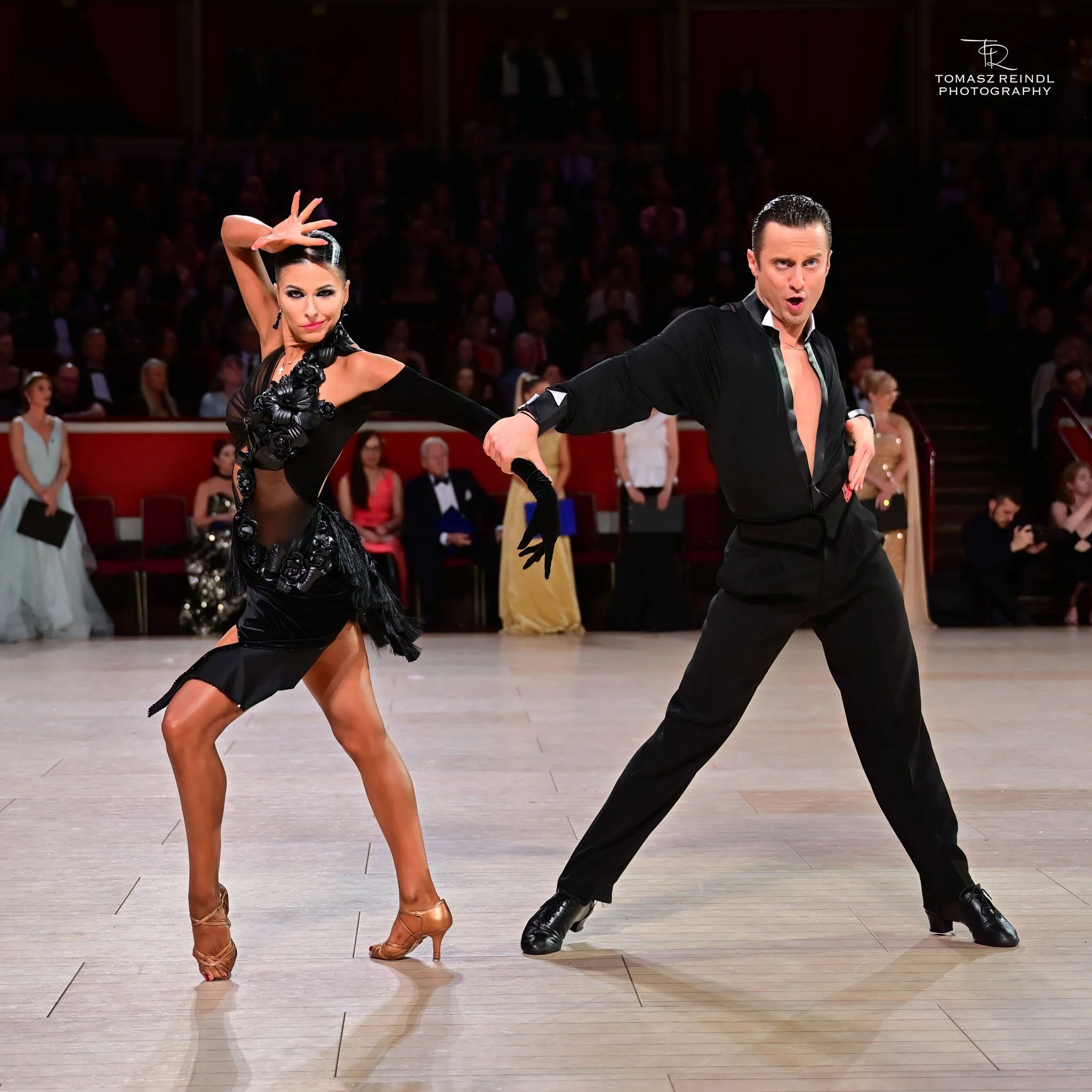
When people watch ballroom or Latin dancing, one of the first things they notice is how two people can move together so seamlessly. From the outside, it looks almost magical. A leader makes a movement, and the follower responds instantly, without a word being spoken. This is not luck or mind reading. It is the result of frame and connection, often called the secret language of partner dancing.
If you are new to dancing, understanding frame and connection will transform the way you move with a partner. If you are already experienced, refining these skills is what separates good dancers from truly great ones. In both ballroom and Latin, frame and connection are at the heart of communication, artistry, and partnership. Yet they look and feel very different in each style.
In this post, we will explore what frame and connection really mean, how they work in both ballroom and Latin, the differences between the two, and how you can practice them to take your dancing to the next level.
What Is Frame?
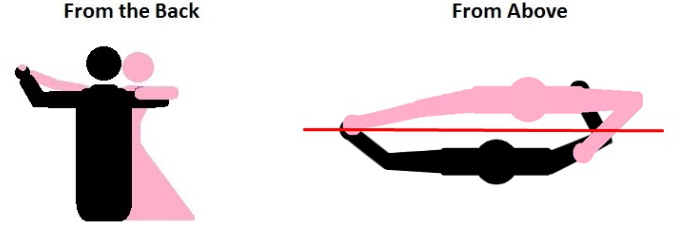
Frame refers to the structure you create with your upper body when you dance with a partner. It is not about being stiff or rigid. Instead, it is about creating a consistent and supportive shape that allows clear communication between leader and follower.
A strong frame gives both dancers stability, balance, and clarity. Without it, leading and following become guesswork, and movements feel unsteady or sloppy. Think of frame as the container that holds your dancing together.
Key elements of frame:
Posture that is lifted and aligned
Engaged muscles in the back, arms, and core
Hands and arms positioned to connect with your partner without collapsing
Energy that feels alive, not limp or tense
What Is Connection?
Connection is how dancers communicate with their bodies, both through the frame and through body contact. It is the physical and energetic link between leader and follower that allows signals to pass back and forth. Connection happens through the hands, arms, and body contact. It is not about pulling or pushing. Instead, it is about responding to pressure, resistance, and changes in weight.
Good connection feels smooth, responsive, and almost effortless. Poor connection feels heavy, confusing, or non-existent.
Types of connection include:
Compression: Gentle pressure toward each other, like pressing palms together
Tension: Gentle resistance away from each other, like leaning back with joined hands
Neutrality: Relaxed readiness, no push or pull but still engaged
Frame and Connection in Ballroom
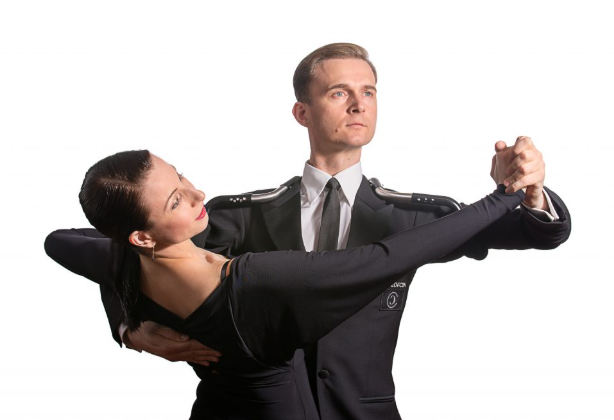
In ballroom dances such as Waltz, Foxtrot, Tango, Quickstep, and Viennese Waltz, frame is especially visible. Partners hold each other in a structured position, and the connection runs through that hold. The leader communicates direction, timing, and energy through the body and arms, while the follower maintains equal strength and shape.
Characteristics of ballroom frame and connection:
Upright, elongated posture that creates a graceful silhouette
A wide, strong frame that does not collapse, even during turns
Constant body contact through the torso
Ballroom frame is often compared to a picture frame. The leader and follower are the painting, and the frame presents the art.
Frame and Connection in Latin
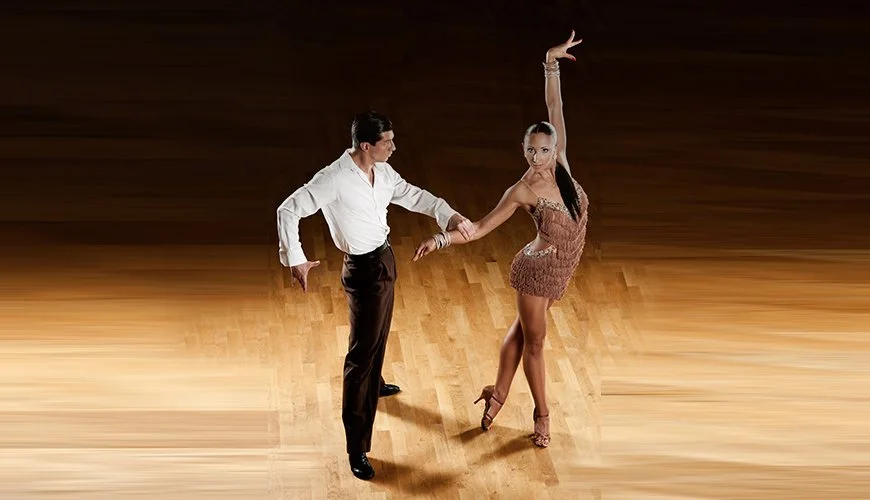
In Latin dances such as Cha Cha, Rumba, Samba, Paso Doble, and Jive, the frame looks very different. Partners often dance in open positions, switching between holding hands and separating completely. This means connection becomes more dynamic and expressive.
Characteristics of Latin frame and connection:
Strong forward posture
Switching holds throughout the dance
Arms may move independently from the body
Latin frame is less about maintaining a rigid picture and more about maintaining tone and energy so that signals travel clearly between partners.
Closed Hold in Ballroom vs Latin: The Key Differences
Ballroom dancers always dance in what is known as Closed Hold, while Latin Dancers can use various holds. But when Latin does use Close Hold, what is the difference from that in Ballroom?
Ballroom
Frame is more fixed and consistent
Connection through body contact
Width from elbow to elbow is emphasized
Latin
Frame is flexible and changes often
Rarely uses body contact
Volume and space is emphasized
Think of ballroom as painting with long, flowing brushstrokes, and Latin as painting with quick, vibrant strokes. Both are beautiful, but each requires a different type of brush control.
Common Mistakes in Frame and Connection
Many dancers struggle with the same issues when learning frame and connection. Being aware of these pitfalls will help you avoid them.
Frame mistakes
Collapsing arms or elbows
Gripping the partner instead of supporting them
Stiff, tense shoulders that restrict movement
Connection mistakes
Pulling or yanking the partner
Hanging on the partner for balance
Being too light, offering no resistance or feedback
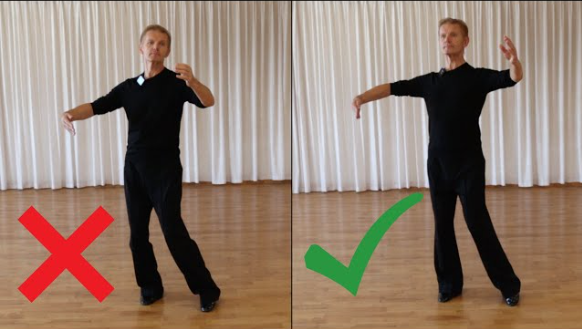
Exercises to Improve Frame
Practicing your frame outside of partner dancing helps build strength and awareness. Here are some exercises:
Wall posture drill: Stand with your back against a wall, keeping shoulders, hips, and head aligned. Practice raising your arms into dance position while maintaining posture
Resistance band hold: Use a resistance band looped around your arms to practice keeping consistent tone in your frame while your shoulders are down
Solo frame practice: Stand in dance position without a partner and hold your frame for several minutes, engaging your core and back muscles
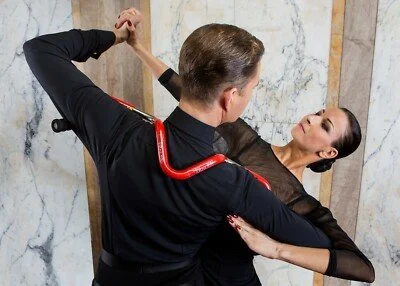
Exercises to Improve Connection
Connection is best practiced with a partner, but even small drills can make a big difference.
Push-pull drill: Stand facing your partner, hold hands, and take turns applying gentle pressure forward and backward without collapsing your frame
Weight shift drill: Without moving your feet, shift your weight side to side and forward and back, letting your partner feel and follow the movement
Elastic connection drill: Imagine your hands are connected by an elastic band. When you step away, maintain gentle resistance as if the band were stretching
How Leaders and Followers Share Responsibility
Both partners play an active role in creating frame and connection.
Leaders
Provide clear signals through weight, body, and arm movements
Maintain strong posture to support the follower
Avoid muscling through leads; focus on clarity instead
Followers
Maintain equal tone in arms and frame
Respond to signals without anticipating
Offer presence in the connection, not limpness or over-resistance
The beauty of partner dancing comes when both roles complement each other instead of overpowering one another.
Building Trust Through Connection

One of the most overlooked aspects of frame and connection is trust. Partner dancing is about cooperation, and that requires both dancers to feel safe and respected. A good connection feels like a conversation, not a tug-of-war.
Ways to build trust:
Keep your signals gentle but clear
Respect your partner’s personal space and boundaries
Stay calm and supportive even if mistakes happen
Focus on dancing with your partner, not at them
When trust is present, connection becomes smooth, and dancing feels effortless.
Connection Beyond the Physical
Frame and connection are not only physical. They also have an emotional and mental dimension. Great dancing requires eye contact, shared energy, and presence in the moment. This is especially true in Latin, where storytelling is central. In Rumba, you are telling a love story. In Paso Doble, you are in a dramatic battle. These emotions enhance the physical signals and bring the dance to life.
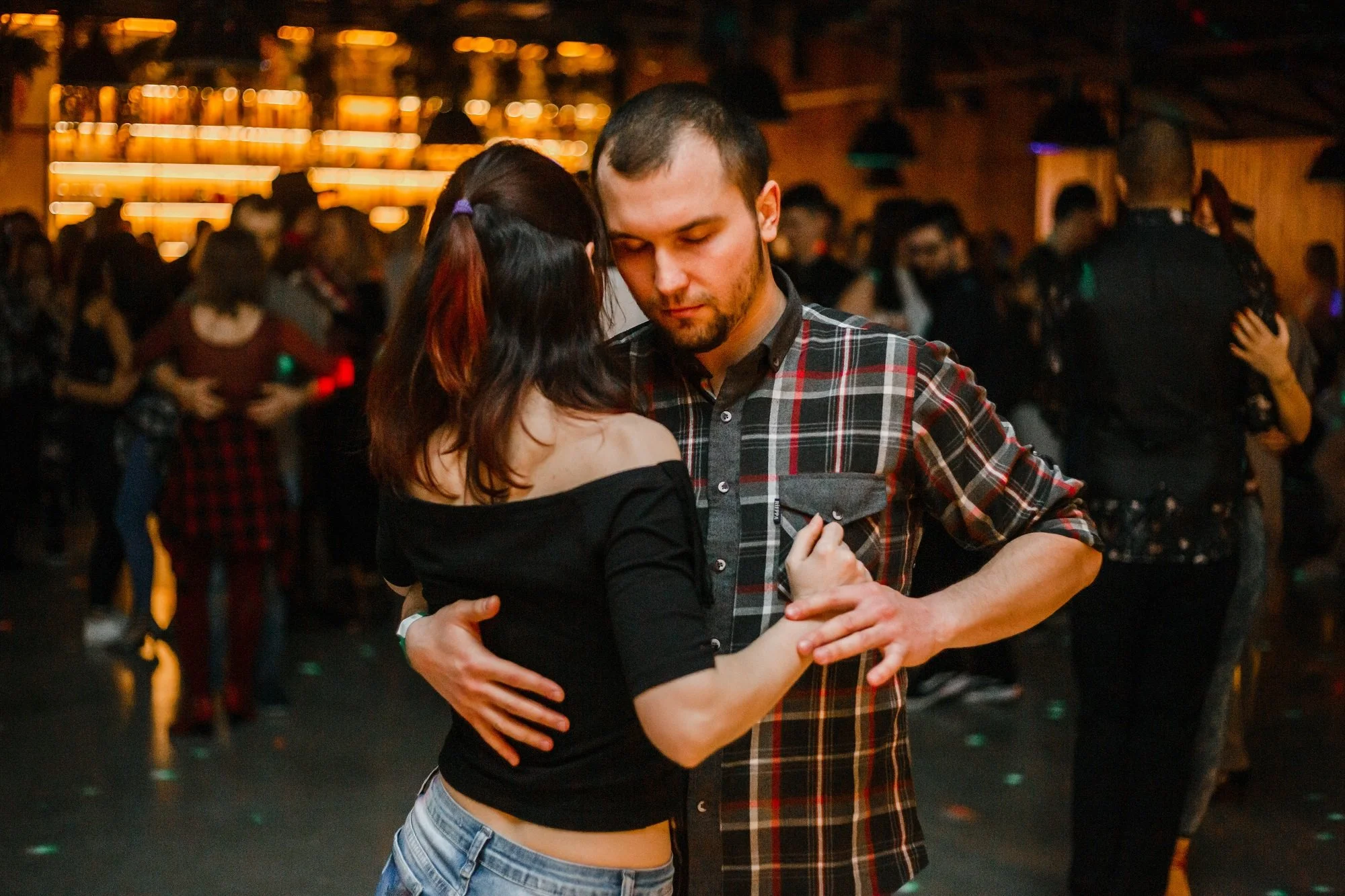
Adapting to Social vs Competitive Dancing
Frame and connection also vary depending on context.
In social dancing:
Frame can be lighter and less rigid
Connection is focused on comfort and enjoyment
Communication is simplified so partners of all levels can dance together
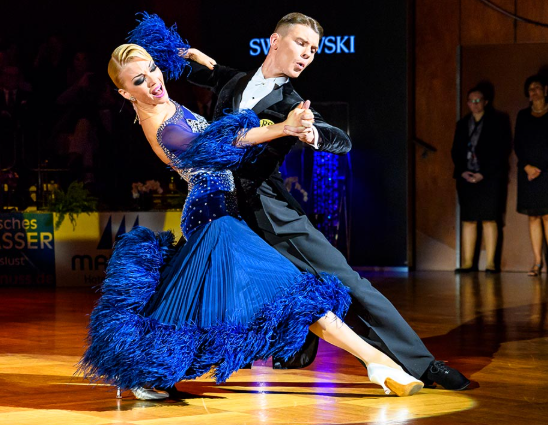
In competitive dancing:
Frame must be stronger and more consistent for precision and presentation
Connection is sharper to allow fast, complex choreography
Expression and artistry are emphasized to impress judges and audiences
Both are valuable, and many dancers find joy in switching between them.
How to Practice with a Partner
The best way to improve frame and connection is through mindful practice. Here are some ideas:
Dance basic steps slowly, focusing only on keeping frame consistent
Practice switching between compression and tension in open hold
Alternate leading and following to understand both perspectives
Record your dancing and review whether your frame stays lifted and your connection looks smooth
Conclusion: Learning the Language of Dance
Frame and connection are the unspoken language of partner dancing. They allow two people to move as one, whether gliding across the floor in a ballroom waltz or sparking energy in a Latin cha cha. Without them, even the most beautiful choreography falls flat. With them, even the simplest steps come alive.
In ballroom, frame provides the structure for flowing, elegant communication. In Latin, connection brings sharpness, rhythm, and drama. Both require posture, tone, trust, and emotional presence. Mastering frame and connection is not about being perfect. It is about being present, responsive, and aware of your partner and the music.
At Vegas Ballroom Dance, we specialize in helping dancers of all levels discover the joy of true connection. Whether you want the sweeping grace of ballroom or the fiery energy of Latin, our classes will give you the tools to build a strong frame, a clear connection, and a deeper appreciation of this beautiful art form. Dancing is not just about steps. It is about learning the secret language that allows two people to move as one. Come join us and experience it for yourself!