Why Ballroom Dancing is One of the Best Full-Body Workouts
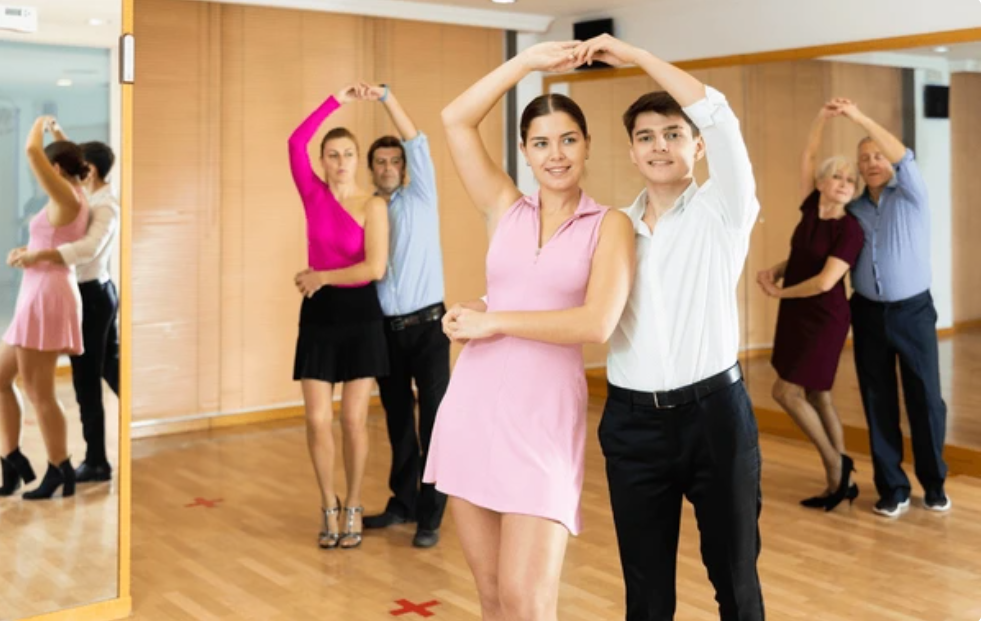
When most people think about exercise, they imagine treadmills, weight racks, or long runs around the neighborhood. But at Vegas Ballroom Dance, we see fitness in a much more elegant light. Ballroom and Latin dancing gives you all the physical benefits of a workout while feeling nothing like one. Instead of counting reps or miles, you are moving to music, connecting with a partner, and having fun.
It surprises many beginners to learn that ballroom dancing is not only a form of art and self-expression, but also one of the most complete full-body workouts you can do. Every muscle plays a role, from your legs that drive your steps, to your core that supports your balance, to your arms and back that create your frame and shape. Whether you are twirling through a waltz or attacking a cha cha, you are strengthening, stretching, and conditioning your entire body without even realizing it.
Let’s explore why ballroom dancing is such an exceptional workout and how it keeps both body and mind healthy.
1. Ballroom Dancing Builds Strength
Ballroom dancing requires controlled, sustained muscle engagement that tones your entire body. Unlike repetitive gym movements that isolate one muscle group at a time, dancing builds functional strength that helps you move gracefully in daily life.
Lower Body Strength
Your legs and glutes work constantly in ballroom dancing. Steps like lunges in tango, drives in quickstep, or Cuban motion in rumba all engage the thighs, calves, and hips. Even slow movements, such as the rise and fall in waltz, build power through resistance and balance.
Each step requires you to push away from the floor, absorb your weight, and control your landing. Over time, this strengthens stabilizing muscles that machines or treadmills often overlook.
Core Strength
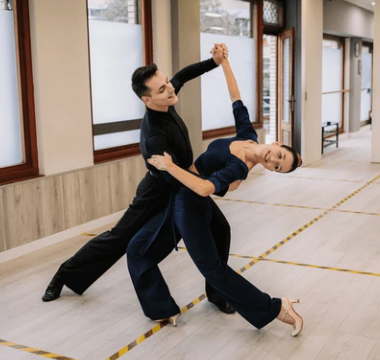
Your core is always active in ballroom dancing. It holds your posture, stabilizes your movement, and keeps your connection with your partner steady. As you rotate, twist, and stretch through your dances, you are training the muscles that protect your spine and improve balance.
Latin dancers, especially, use their core constantly to drive hip motion. Without realizing it, you are doing hundreds of tiny controlled contractions that strengthen your abs far more efficiently than crunches ever could.
Upper Body Strength
In both ballroom and Latin, your frame (the position of your arms, shoulders, and back) is key to dancing beautifully. Maintaining your frame builds endurance in your shoulders, back, and chest. In dances like Paso Doble or Tango, strong arms also project confidence and control.
2. Ballroom Dancing Improves Cardiovascular Fitness
Ballroom and Latin dancing are excellent cardio workouts. They keep your heart rate up while alternating between bursts of movement and moments of controlled stillness. This variety challenges your cardiovascular system more effectively than steady-state exercise.
A single dance session can easily last an hour, during which you are constantly moving, changing tempo, and shifting between aerobic and anaerobic effort. The faster dances, like quickstep or jive, elevate your heart rate and improve stamina. The slower ones, like rumba or waltz, train endurance and controlled breathing.
Many fitness trackers record ballroom dancing as moderate to vigorous activity, burning between 300 to 600 calories per hour, depending on intensity. The best part is that it feels nothing like a workout. When you are focusing on music and movement, you hardly notice how much effort your body is putting in.
3. Ballroom Dancing Enhances Flexibility and Mobility
Most people lose flexibility as they age because they stop moving their joints through their full range of motion. Dancing prevents this by requiring continuous movement, rotation, and stretch in every direction.
Ballroom and Latin dances each emphasize flexibility differently:
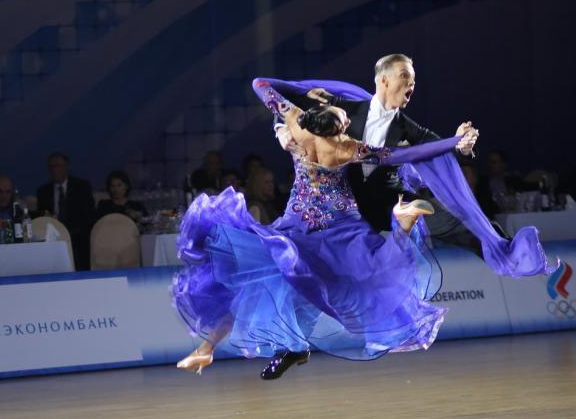
Ballroom Dances such as waltz and foxtrot use long, sweeping lines that open up the body and extend your muscles. The rolling rise and fall creates flexibility in the ankles, knees, and spine.
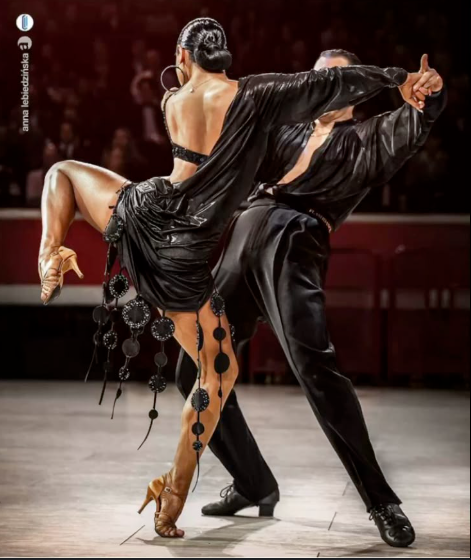
Latin Dances like cha cha, samba, and rumba emphasize fluid hip motion and rotation, which stretch your waist, hips, and lower back.
In every dance, your movements involve coordinated stretching of multiple muscle groups. Unlike static stretches at the gym, dancing stretches you dynamically, within natural motion. That is one of the safest and most effective ways to stay flexible.
4. Ballroom Dancing Improves Balance and Coordination
Good balance is one of the hallmarks of a skilled dancer. Every step you take in ballroom dancing teaches you how to control your weight and align your body over your standing leg. That awareness carries over into everyday life, reducing the risk of falls or missteps.
Latin dancing takes balance a step further by teaching you to control rapid shifts of weight and direction. The constant alternation between forward and backward steps, side movements, and turns strengthens your stabilizing muscles and challenges your coordination.
For beginners, the first few classes often feel tricky because your body is learning to cooperate with itself. But as you practice, you begin to move more confidently. Your coordination improves, and your movements start to flow together naturally.
5. Ballroom Dancing Strengthens Posture and Alignment
Poor posture is common in modern life because of long hours sitting at desks and using phones. Ballroom dancing reverses this by training your body to stand tall and aligned.
Dancers learn to lengthen through the spine, open the chest, and hold the head high. This posture not only looks graceful but also reduces tension in the back and shoulders. The constant awareness of alignment becomes a natural habit, improving your posture even when you are not dancing.
In ballroom dances like tango or quickstep, posture helps you create strong shapes. In Latin, posture helps your movements look sharp and expressive. Both styles teach you to carry yourself with elegance and confidence.
6. Ballroom Dancing Engages the Mind
Physical exercise is only one part of staying healthy. Your brain also needs stimulation and coordination to stay sharp. Dancing provides both.
Every time you learn a new step or routine, your brain forms new neural connections. You are memorizing patterns, adapting to rhythm, reacting to a partner, and synchronizing movement with sound all at once. This kind of multitasking engages both sides of the brain and improves cognitive flexibility.
Studies have shown that dancing regularly may reduce the risk of cognitive decline and improve memory. The combination of physical movement and mental focus keeps your brain young, alert, and creative.
7. Ballroom Dancing Boosts Mood and Reduces Stress
Few workouts can match the emotional benefits of dancing. The combination of music, movement, and human connection releases endorphins (the body’s natural “feel good” hormones). These chemicals reduce stress, elevate your mood, and create a sense of joy that lasts long after class ends.
When you dance, your focus shifts away from daily worries. You become absorbed in rhythm, movement, and partnership. Many dancers describe it as an instant mental reset.
Ballroom dancing also builds social connection, which has powerful psychological benefits. Whether you are learning with a partner or in a group class, you are interacting, laughing, and sharing energy. That social engagement reduces loneliness and supports emotional health.
8. Ballroom Dancing Improves Endurance and Stamina
As you progress in dancing, your endurance naturally improves. At first, you may feel tired after a few songs. But after several weeks, you will notice that your breathing becomes steadier and your muscles can sustain longer movements.
In ballroom dances like quickstep and Viennese waltz, you move continuously for extended periods, training cardiovascular endurance. In Latin dances like jive and samba, repeated small, sharp movements build muscular stamina. The mix of intensity and recovery in dancing mimics interval training used by athletes.
Unlike gym workouts, however, the effort feels enjoyable. Because the focus is on artistry and connection, you are more likely to stick with dancing as a long-term fitness habit.
9. Ballroom Dancing Encourages Body Awareness
When you dance, you learn to notice how every part of your body contributes to movement. This awareness improves posture, coordination, and control. You become more conscious of how you carry yourself in everyday life, including how you stand, walk, and even breathe.
In ballroom, body awareness helps you maintain frame and shape with your partner. In Latin, it helps you isolate movement and create expressive hip and torso actions. The more aware you become of your body, the more precisely you can move it.
This level of mindfulness is rare in other workouts. Dancing trains both physical control and emotional presence, making you more connected to yourself and your surroundings.
10. Ballroom Dancing is Sustainable Fitness
Many people struggle to stick with exercise routines because they feel repetitive or isolating. Ballroom dancing is different. The combination of music, social interaction, and creativity makes it addictive in the best way.
Instead of dragging yourself to a gym, you look forward to your lessons. Each session offers new challenges, new movements, and new songs. Progress feels exciting, not exhausting.
Because ballroom and Latin dancing are low-impact compared to running or jumping sports, they are suitable for all ages and fitness levels. You can dance for years without wearing down your joints. That makes it one of the few workouts that truly lasts a lifetime.
Real Results from Dancing Regularly
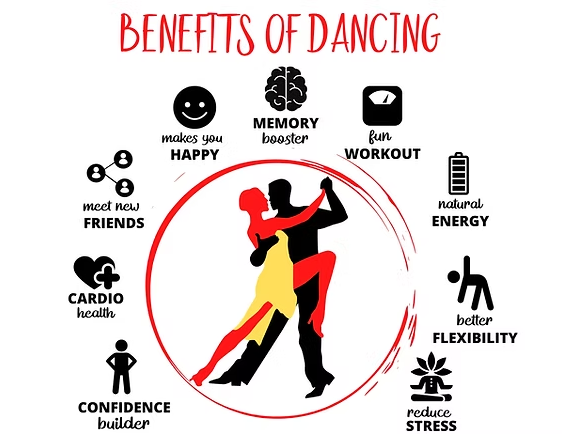
If you attend ballroom classes even twice per week, you will likely notice physical changes within a month. Here is what many of our students report after consistent dancing:
Improved posture and confidence
More toned legs and core
Increased flexibility
Better balance and coordination
Lower stress levels
Higher energy throughout the day
Unlike gym results that fade when you stop training, dancing shapes both your body and your lifestyle. It encourages movement, creativity, and connection that extend beyond the studio.
Conclusion: Move Better, Feel Better, Live Better
Ballroom dancing is more than elegant movement. It is a full-body workout that strengthens muscles, improves flexibility, enhances coordination, boosts cardiovascular health, and uplifts your mood. Few other activities combine all these benefits so seamlessly while feeling joyful and creative.
You do not need a background in dance or athletic training to start. All you need is music, curiosity, and a willingness to move. The beauty of ballroom dancing is that it welcomes everyone, regardless of age or experience.
At Vegas Ballroom Dance, we have seen students transform their health, confidence, and happiness through dancing. Whether you are looking to get in shape, relieve stress, or simply find a fun way to stay active, ballroom dancing offers a workout that never feels like work.
Come take a class with us and experience for yourself how dancing can change your body and your life—one step at a time.