Dance Nutrition 101: Fueling Your Body for the Ballroom Floor
Ballroom and Latin dancing are full-body athletic activities that demand strength, endurance, coordination, and mental focus. Whether you are a social dancer taking class twice a week or a competitor training 20 hours a week, what you eat has a direct impact on how well you move, how quickly you recover, and how long you can dance without fatigue or injury.
At Vegas Ballroom Dance, we’ve seen dancers of every age and fitness level benefit from simple but science-backed changes to their nutrition habits. Proper fueling helps maintain energy during long practices, improves muscle recovery, supports healthy joints, and sharpens mental clarity on the floor.
This guide explores the fundamentals of dance nutrition, drawing on research from sports science and dance medicine, and tailors the advice to the needs of three key groups: competitive dancers, social dancers, and older adults.
The Physiology of Dancing
Dancing may look graceful and effortless, but it is metabolically demanding. It combines elements of aerobic (endurance) and anaerobic (power-based) activity. Latin dances like cha cha, samba, and jive often raise heart rates to 70–90% of maximum, similar to high-intensity interval training, while ballroom dances like waltz and foxtrot rely more on muscular endurance, posture maintenance, and coordination.
Dancers use three main energy systems:
Phosphagen system for short bursts like spins, lifts, or quick sequences
Glycolytic system for sustained moderate-to-high intensity lasting 1–3 minutes
Aerobic system for long rounds, rehearsals, and endurance across multiple dances
Because of this mix, ballroom dancers need a balanced diet that supports both short-term performance and long-term energy.

Macronutrients: The Foundation
Carbohydrates
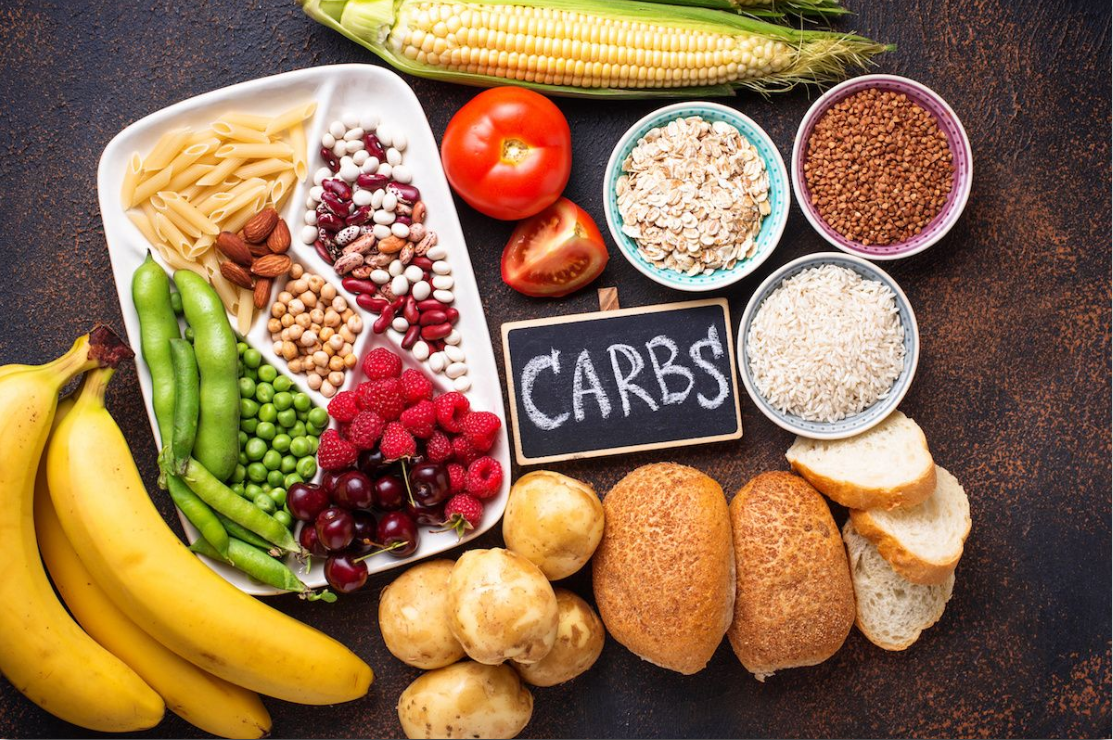
Carbohydrates are the body’s primary source of fuel during dancing. Muscles store carbs as glycogen, which is broken down into glucose to supply energy. When glycogen runs low, fatigue sets in, coordination suffers, and performance drops.
Healthy sources include:
Whole grains (oats, brown rice, quinoa)
Fruits and vegetables
Legumes and beans
Dairy (for those who tolerate it well)
Avoid relying on refined sugars or sweetened drinks. While they can provide a quick burst of energy, they often lead to a crash mid-practice.
Protein
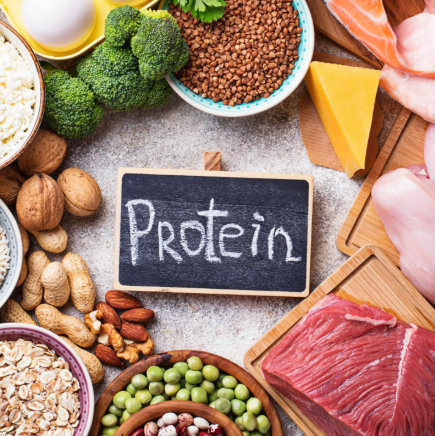
Protein repairs and builds muscle tissue, supports the immune system, and maintains bone health—critical for dancers who put stress on joints and connective tissue.
High-quality protein sources:
Lean meats (chicken, turkey, fish)
Eggs
Dairy (Greek yogurt, cottage cheese)
Plant-based proteins (tofu, lentils, quinoa, edamame)
Distribute protein throughout the day rather than eating it all at once. Studies show that 20–30 g per meal promotes better muscle repair and satiety.
Fats
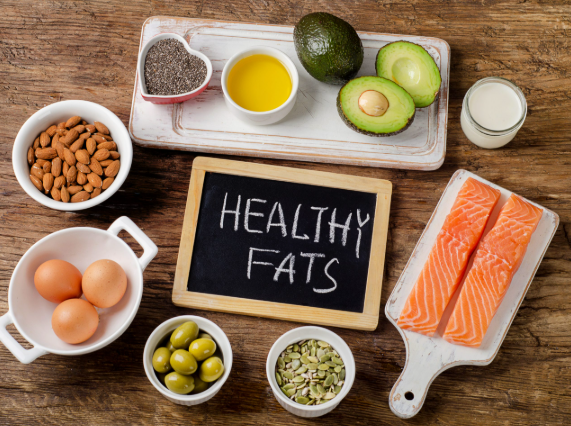
Healthy fats provide long-lasting energy, help absorb vitamins A, D, E, and K, and support joint health and hormone balance.
Focus on:
Olive oil, avocado, nuts, and seeds
Fatty fish (salmon, mackerel, sardines)
Limited saturated fats (small amounts of butter or cheese are fine)
Avoid trans fats, which increase the risk of heart attack and stroke.
Micronutrients Dancers Should Prioritize
Dancers lose minerals through sweat and muscle use. Certain vitamins and minerals play key roles in recovery and performance. Five of the most important are:
1. Calcium and Vitamin D – For bone strength and muscle contraction
Found in dairy, fortified plant milks, leafy greens, and sunlight exposure
2. Magnesium – Helps with muscle relaxation and energy metabolism
Found in nuts, spinach, and whole grains
3. Iron – Carries oxygen in the blood; low iron causes fatigue
Found in lean red meat, beans, and fortified cereals (vitamin C helps absorption)
4. Vitamin C – Reduces inflammation and supports collagen production
Found in citrus, peppers, and strawberries
5. Omega-3 Fatty Acids – Reduces joint stiffness and muscle soreness
Found in salmon, flaxseed, and walnuts
Hydration: The Overlooked Factor
Dehydration decreases endurance, balance, and coordination. Even 2% water loss can impair performance.
Hydration guidelines:
Drink water regularly throughout the day
Before dancing: 8–16 oz (250–500 ml) about an hour before class
During dancing: small sips every 15–20 minutes
After dancing: 16–24 oz per pound (0.5 kg) of weight lost during sweating
Competitors who train intensely or in hot studios should consider electrolyte replacements that include sodium, potassium, and magnesium, especially after sessions longer than 90 minutes.

Meal Timing and Performance
When and how you eat is just as important as what you eat. Dancers who eat strategically before and after class perform better and recover faster.
Pre-Class Nutrition
Your goal before dancing is to have available energy without feeling heavy or bloated.
1–3 hours before dancing:
Lean protein (chicken, yogurt, tofu)
Complex carbs (rice, oats, fruit, whole-grain bread)
Minimal fat or fiber to avoid slow digestion
Examples:
Grilled chicken with rice and vegetables
Banana with peanut butter
Oatmeal with berries
If you only have 30–60 minutes before class, choose easily digestible snacks such as a banana, energy bar, or small fruit smoothie.
Post-Class Nutrition
After dancing, the goal is to replenish glycogen stores and repair muscle tissue. Eating within 45 minutes of finishing is ideal.
Post-dance recovery meal:
Protein (20–30 g)
Carbohydrates (1–1.2 g/kg body weight)
Fluids and electrolytes
Examples:
Protein shake with banana
Turkey sandwich on whole grain bread
Greek yogurt with fruit and honey
Special Considerations by Group
Competitive Dancers (15–25 hours/week)
Competitors train like endurance athletes. They burn between 400–800 calories per hour depending on intensity, so total energy intake must match that output. Under-eating is a common cause of fatigue and injury.
Key priorities:
Consistent carbohydrate intake to maintain glycogen
Frequent meals every 3–4 hours
Pre-practice snack 60 minutes before dancing
Recovery meals with protein and carbs within 45 minutes
Hydration with electrolytes during long practices
Competitors should also monitor body composition, not just weight. Muscle mass supports posture and stamina. Tracking energy levels and sleep can help spot under-fueling early.
Social Dancers (1–5 hours/week)

Most social dancers benefit from general healthy eating habits. Because they are not training for long hours, energy needs are moderate.
Key priorities:
Balanced meals with lean protein, vegetables, and whole grains
Avoiding skipping meals before class
Light snack (fruit or yogurt) 30–60 minutes before dancing
Staying hydrated throughout class
The focus should be on feeling energized, not restricting calories or chasing performance metrics.
Older Adults
As we age, metabolism slows and muscle tissue naturally declines, but that does not mean dancers should eat less—it means they should eat smarter.
Key priorities:
Slightly higher protein intake to maintain muscle
Calcium and vitamin D for bone health
Magnesium and potassium for muscle relaxation
Smaller, frequent meals to stabilize blood sugar
Hydration throughout the day, as thirst perception declines with age
Older dancers who train regularly can safely use resistance training and good nutrition to maintain vitality and balance well into their 70s and beyond.
Differences Between Men and Women
While basic nutrition principles apply to both, hormonal and metabolic differences can influence fuel needs.
Men
Typically have higher muscle mass and calorie requirements
Benefit from slightly higher protein intake to maintain muscle
Lose more sodium in sweat, so need consistent electrolyte replacement
Women
Benefit from iron-rich foods
Benefit from calcium and vitamin D support, especially post-menopause
Tend to perform better on balanced meals that include carbs and fats, not low-carb diets
Should avoid deficits of more than than 500Cal/day, which can disrupt hormone balance and cause fatigue or injury
Both men and women dancers should eat enough to match activity level and avoid restrictive diets that harm long-term performance.
Supplements: What Works and What Doesn’t
Supplements are not a replacement for whole food, but some have strong scientific backing.
Supported by evidence:
Creatine Monohydrate: Improves short bursts of power (useful for jive, paso doble)
Whey or Plant Protein Powder: Convenient for recovery after practice
Omega-3 Fatty Acids: Reduces joint pain and inflammation
Vitamin D3: Helps maintain bone strength if sun exposure is limited
Not supported or unnecessary for most dancers:
Fat burners or detox teas
High-dose BCAAs (adequate protein already provides these)
Energy drinks high in sugar
Always check supplements for third-party testing (NSF or Informed Sport) to ensure purity.

Common Nutrition Mistakes Dancers Make
Skipping meals before practice – Leads to fatigue and poor focus
Chronic under-eating – Increases risk of injury and illness
Relying on sugar for energy – Causes crashes mid-practice
Neglecting hydration – Reduces coordination and endurance
Avoiding carbs – Limits energy availability for both ballroom and Latin
Ignoring recovery nutrition – Slows muscle repair and progress
Correcting even one of these can dramatically improve how you feel while dancing.
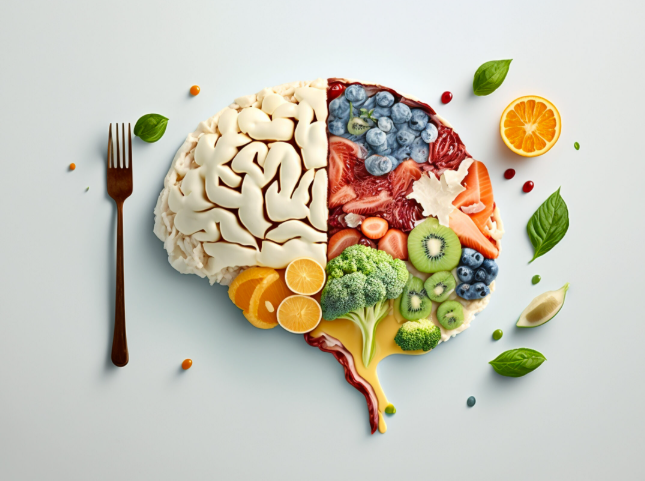
Mental and Emotional Aspects of Dance Nutrition
Healthy eating is not just physical. It affects focus, confidence, and joy. Restrictive dieting or comparing body types can harm self-image and performance. The best dancers are those who feel energized and present, not deprived.
If you notice fatigue, dizziness, or unusual weight loss, consult a registered dietitian specializing in sports or dance medicine. The goal is long-term wellness, not short-term aesthetics.
Bringing It All Together
Dancers, like athletes, perform best when they eat to support energy, focus, and recovery. Balanced meals, steady hydration, and nutrient timing make a measurable difference on the dance floor.
At Vegas Ballroom Dance, we emphasize that dance is both art and sport. Treating your body as your instrument means fueling it with care. Whether you are a competitor training for the next championship or a social dancer who just wants to feel great on Friday nights, nutrition is the silent partner that keeps you strong, alert, and graceful.
If you’re ready to pair proper nutrition with expert dance instruction, join us at Vegas Ballroom Dance. Our team will help you move, eat, and feel like the dancer you’ve always wanted to be: healthy, confident, and full of energy every step of the way.