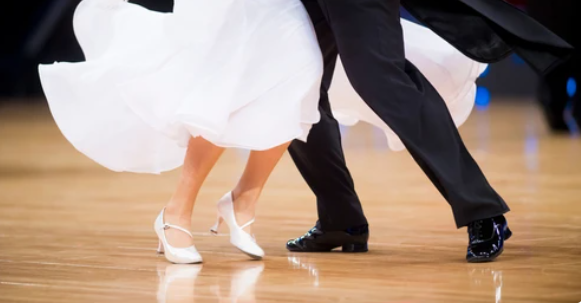
The Mental Benefits of Dance: Confidence, Memory, and Joy
Most people come to ballroom dancing for fun, fitness, or a new social hobby. Yet many soon discover that the greatest rewards are not only physical. Dancing is a deeply mental and emotional experience that builds confidence, improves memory, reduces stress, and sparks genuine happiness.
At Vegas Ballroom Dance, we see these changes happen every week. Beginners who start out shy and uncertain grow into expressive, self-assured dancers. Older adults notice sharper focus and better recall. Competitors learn to manage performance pressure and stay grounded. Science supports what dancers have always known: ballroom dancing is one of the best ways to keep the mind engaged, resilient, and joyful.
This post explores how partner dancing strengthens your brain, lifts your mood, and teaches confidence that carries far beyond the dance floor.
The Mind-Body Connection
The human brain thrives on movement. Every step, turn, and rhythm activates multiple brain regions at once: the motor cortex that controls movement, the cerebellum that manages balance, and the hippocampus that handles memory. When you dance, these systems work together, reinforcing neural pathways and improving coordination both mentally and physically.
Ballroom and Latin dances challenge the brain in unique ways. They require memory (to recall steps and patterns), timing (to match rhythm), and social awareness (to read your partner’s cues). These combined demands make partner dancing one of the most effective cognitive exercises available.
Confidence and Self-Image

Many adults hesitate to dance because they feel self-conscious about how they look or move. Yet learning to dance can actually help dissolve those fears.
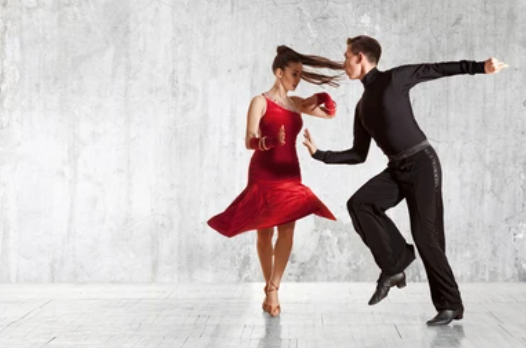
When you take lessons, progress happens step by step. You start by mastering posture and rhythm, then coordination, and finally expression. With each new skill, you gain a sense of control over your body. That control breeds confidence. Even outside the studio, you walk taller and carry yourself with more poise.
Partner dancing in particular builds a quiet kind of confidence. You learn to trust your partner and to communicate clearly without words. You practice being present and grounded, and that translates into everyday interactions.
For competitors, this confidence becomes performance readiness. For social dancers, it becomes ease and grace in public.
Memory and Cognitive Health
Ballroom and Latin dancers often enjoy improved memory and sharper focus. Scientific research supports this. Studies show that learning and recalling dance sequences stimulates the hippocampus, a brain region vital to memory formation and spatial reasoning.
For older adults, this is especially important. Engaging in structured physical activity that involves learning and rhythm has been shown to reduce the risk of cognitive decline. Dance classes also encourage social interaction, which provides additional protection for brain health.
Dancers regularly practice remembering routines, adapting them to different songs, and adjusting spacing on the floor. These mental challenges keep the brain active and flexible. It is like learning a new language that is spoken through movement.
Focus and Presence
Modern life constantly divides our attention. Dance brings us back to the present moment.
When you are on the floor, you cannot multitask. You must feel the music, sense your partner’s lead or follow, and stay aware of your frame and footwork. This intense focus becomes a form of mindfulness.
Dancers often notice that they handle stress better and find it easier to focus on other tasks at work or home. The mental discipline required in ballroom dancing is similar to meditation: both train the mind to stay in the now.
For competitors, this ability to focus becomes essential under pressure. They learn to perform complex routines in front of judges while keeping their attention on rhythm and partnership. For social dancers, it simply means enjoying the moment more fully.
Emotional Expression and Joy
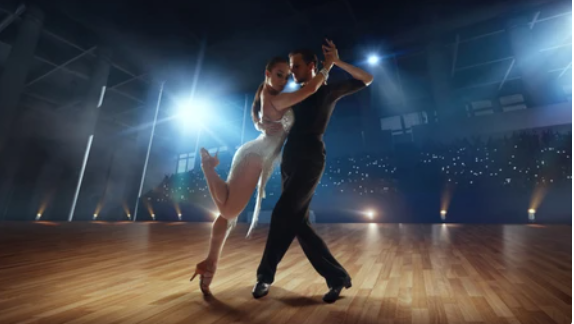
Dancing lets people express emotions in a healthy and creative way. Each ballroom and Latin style has its own emotional tone. Waltz feels romantic and gentle. Tango feels passionate and powerful. Rumba conveys tenderness. Jive bursts with energy and playfulness.
When you move to music that fits your mood, you release tension and open yourself to joy. Even structured practice sessions can lift your spirits because the body releases endorphins during rhythmic movement.
The shared experience of partner dancing adds another layer of happiness. You learn to listen, respond, and communicate through touch and rhythm. Many dancers describe this as a sense of flow, where the music, body, and partner all align perfectly.
Stress Reduction and Mental Health
Dance has measurable effects on stress levels. Research shows that rhythmic movement, social bonding, and physical activity all lower cortisol, the body’s primary stress hormone.
At Vegas Ballroom Dance, students often report that their lessons feel like therapy. The studio environment encourages laughter, concentration, and camaraderie. Whether it is practicing a cha cha or gliding through a foxtrot, dancing helps release anxiety and quiet mental chatter.
Older adults benefit especially from this combination of physical activity and social connection, while competitive dancers often find it helps them manage the stress of training and performance.
Social Connection and Belonging
Human beings are wired for connection, and ballroom dancing provides it in abundance.
Partner dancing fosters trust, cooperation, and empathy. You learn to move with another person, read subtle body signals, and communicate through shared rhythm. Over time, students develop genuine friendships and a sense of belonging within the dance community.
For people who live alone or work in isolated environments, this social aspect can be life-changing. It creates a regular opportunity to interact face-to-face, away from screens.
Competitors also build close friendships through shared goals and rehearsals, while social dancers enjoy the easy warmth of a weekly class or social party. Both experiences strengthen emotional health and resilience.
Creativity and Problem Solving
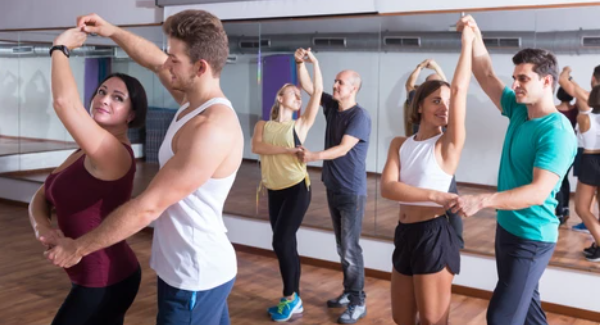
Dance engages both analytical and creative sides of the brain. Dancers constantly interpret rhythm, spacing, and movement. Even memorized routines require adaptability. You might need to adjust timing, spacing, or styling on the fly depending on the song or the floor.
This kind of mental flexibility improves problem-solving skills. It also stimulates creativity, which carries over into other areas of life. People who dance regularly often find they think more fluidly and express themselves more easily in conversation, writing, or art.
Learning choreography, interpreting music, and improvising all challenge the mind in positive ways. For couples, creating a shared routine can be an especially rewarding creative process that strengthens the partnership itself.
The Unique Benefits of Ballroom vs Latin Dancing
Although both ballroom and Latin styles share many mental benefits, they emphasize different skills.
Ballroom (Waltz, Foxtrot, Quickstep, Tango, Viennese Waltz)
Encourages calm concentration and poise
Develops spatial awareness as couples glide around the floor
Promotes patience and long-term discipline through posture and timing practice
Latin (Cha Cha, Samba, Rumba, Paso Doble, Jive)
Fosters quick reaction times and rhythm recognition
Improves coordination between upper and lower body
Encourages expressive movement that releases emotion and stress
For optimal cognitive benefit, practicing both styles offers the best balance between control and expression.
Lifelong Learning and Mental Resilience
One of the most powerful mental benefits of ballroom dancing is the mindset it builds. Learning to dance teaches resilience, patience, and humility. Every dancer makes mistakes. The ability to laugh them off and keep trying fosters emotional strength.
Older dancers often report that continuing to learn new patterns gives them a renewed sense of purpose. For competitors, continual refinement strengthens focus and discipline. For social dancers, ongoing learning provides satisfaction and curiosity that keeps life interesting.
Dance reminds us that growth never stops, and that joy can be found in progress as much as in performance.
Bringing It All Together
Ballroom and Latin dancing are powerful tools for mental wellness. They train memory, sharpen focus, build confidence, relieve stress, and connect us with others. The combination of movement, music, and partnership creates an experience that nourishes both brain and heart.
At Vegas Ballroom Dance, we believe that every student, from first-time beginner to seasoned competitor, deserves to feel the full joy and clarity that dancing brings. Whether you want to improve memory, lift your mood, or simply reconnect with your body, stepping onto the dance floor is one of the best things you can do for your mind.
If you are ready to experience these benefits yourself, come take your first lesson at Vegas Ballroom Dance. You might be surprised at how much confidence, focus, and happiness a few steps can bring into your life.