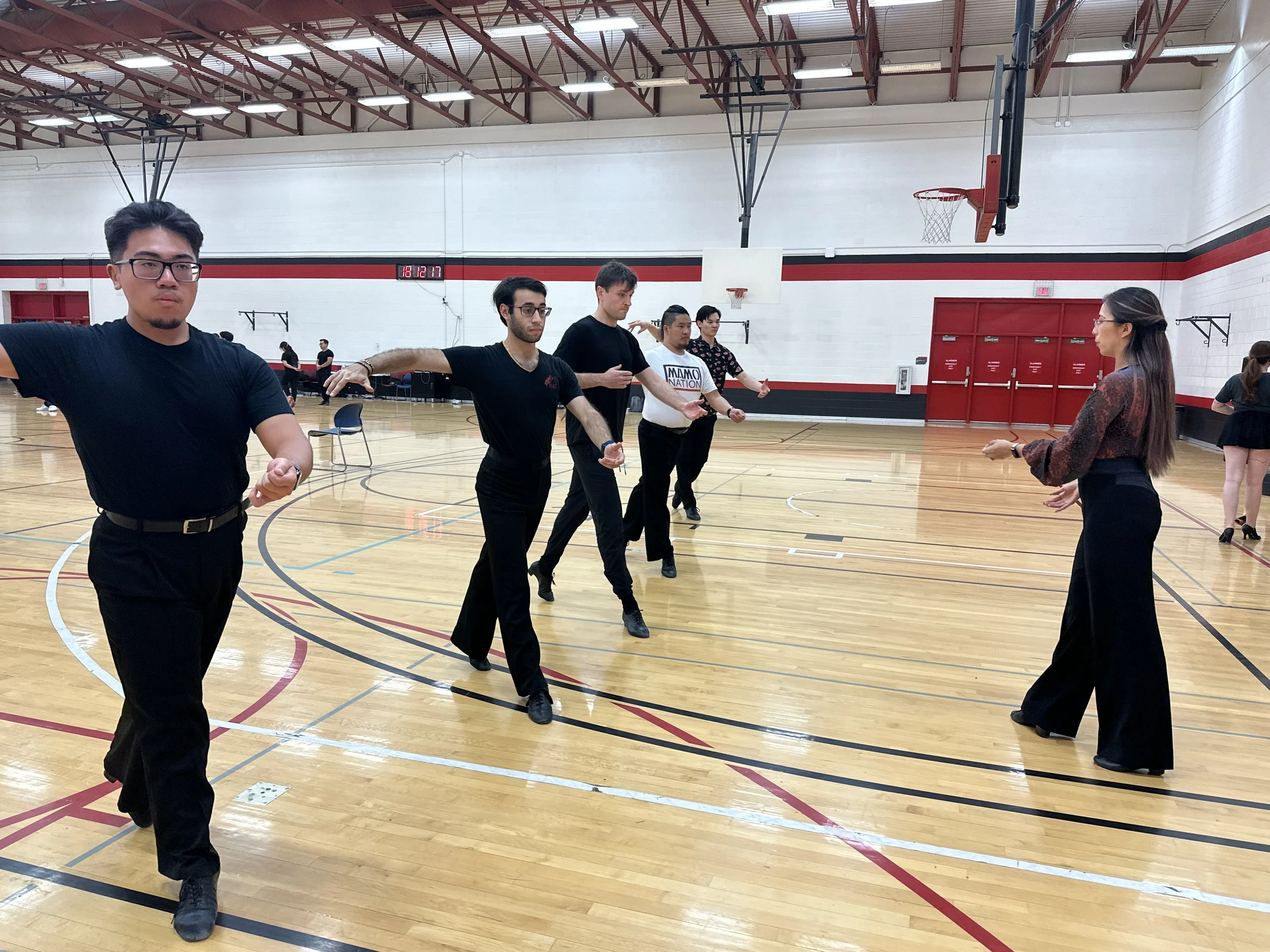
5 Essential Posture Tips for Ballroom Dancers
Posture is one of the most powerful tools in ballroom and Latin dancing. It affects how you look, how you feel, and how easily you connect with your partner. While many beginners think posture is just about standing up straight, it is actually about creating balance, alignment, and freedom of movement. Strong posture is what makes your dancing look graceful instead of stiff, confident instead of awkward, and fluid instead of forced.
At Vegas Ballroom Dance, we see every day how a few simple adjustments in posture can completely transform someone’s dancing. The good news is that you do not need years of training to notice improvements. With some focus and practice, you can start looking and feeling like a dancer in your very first lesson.
Here are five essential tips to improve your dance posture, along with explanations, examples, and practical exercises you can try right away.
1. Engage Your Core
Why it matters
Your core is the foundation of your movement. It includes not just your abdominal muscles but also your lower back, obliques, and even deep stabilizing muscles around your spine. A strong and engaged core keeps you balanced, protects you from injury, and gives your movements control. Without it, you may wobble, lean, or feel like your body is moving in separate pieces rather than as one.
How to do it
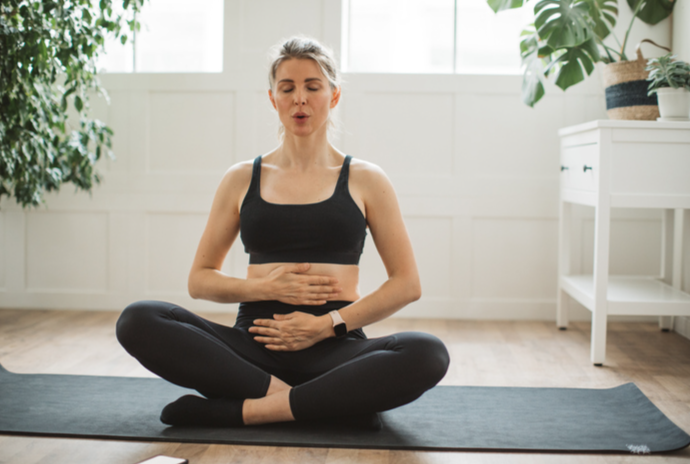
To engage your core, imagine gently pulling your belly button in toward your spine. Avoid sucking in your stomach too tightly, as this can make you stiff. Instead, think of a light brace, similar to the feeling of preparing for someone to poke your stomach.
Common beginner mistakes
Holding the breath while trying to “tighten” the core, which creates tension
Over-tensing, which makes movements robotic
Forgetting to use the lower back muscles, which are also part of core engagement
Practice drill
Stand in place and practice taking side steps while keeping your core active. Notice how much steadier your balance feels when the center of your body is supporting you.
2. Lift Through Your Spine
Why it matters
Slouching is one of the most common habits new dancers bring with them. It makes you look smaller, takes away your energy, and limits how your body can move. In contrast, lifting through your spine makes you look taller, lighter, and more confident. It also allows your partner to connect with you more easily because your frame feels open and supportive.
How to do it
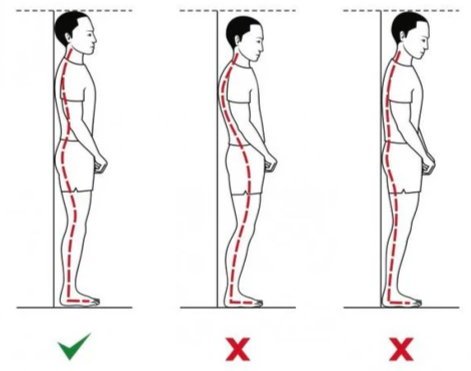
Imagine a string tied to the top of your head, gently pulling you upward. Focus on creating space between each vertebra. You should feel taller without feeling stiff. Avoid arching your lower back or locking your knees, since that can create tension and throw you off balance.
Common beginner mistakes
Forcing the chest upward, which can cause an unnatural arch
Sticking the chin too far forward or tucking it down
Confusing “tall” with “stiff” rather than relaxed length
Practice drill
Stand with your back against a wall and slowly roll your spine up so it touches in sequence: lower back, mid-back, shoulders, and finally the back of your head. This helps you sense proper alignment.
3. Relax Your Shoulders
Why it matters
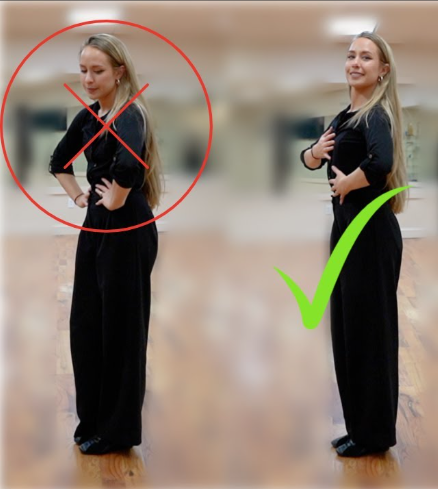
Tension in the shoulders is one of the fastest ways to ruin good posture. It makes your arms stiff, shortens your neck, and creates the appearance of stress. Relaxed shoulders, on the other hand, allow freedom of movement and make your upper body look open and inviting.
How to do it
Roll your shoulders up, back, and down, then let them settle naturally. Combine this with a slight lift of the chest so your posture feels open. Check in with yourself often during practice, because tension tends to creep back in when you focus on other things.
Common beginner mistakes
Raising shoulders unconsciously, especially during turns
Collapsing the chest, which makes posture look hunched
Over-relaxing to the point of drooping forward
Practice drill
Stand in front of a mirror and slowly raise your arms into a dance position while keeping your shoulders relaxed. If you notice your shoulders creeping up, reset and try again.
4. Balance Your Weight Over Your Feet
Why it matters
Posture is not just about the upper body. Proper alignment starts with your feet. If your weight is too far forward on your toes or too far back on your heels, your dancing will feel unstable. Balanced weight helps you move fluidly, turn more easily, and stay steady in partnership.
How to do it
Stand with your feet hip-width apart and distribute your weight evenly across the balls and heels of your feet. Keep your knees soft, never locked. You should feel like your weight is centered, ready to move in any direction.
Common beginner mistakes
Leaning too far forward, especially in dances with strong hip action
Rocking back on the heels, which slows down movement
Locking knees, which reduces mobility
Practice drill
Try shifting your weight forward and back while standing still, then find the “sweet spot” in the middle where you feel balanced. Practice walking slowly across the floor while maintaining that center.
5. Connect Breath with Movement
Why it matters
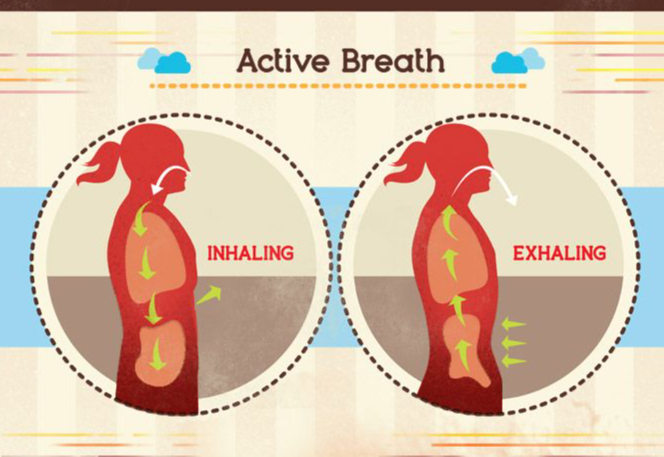
Posture is influenced not only by muscle alignment but also by breathing. Holding your breath creates tension in the chest and shoulders, which makes your posture look stiff. Breathing naturally keeps your body relaxed and helps you flow with the music.
How to do it
Inhale as you prepare to move, exhale as you complete the step. Use breathing as a rhythm guide. In slower dances like rumba, exhaling during a long step can create a sense of release. In faster dances like jive, breathing in shorter bursts helps you keep up the energy.
Common beginner mistakes
Forgetting to breathe, especially when concentrating on technique
Taking shallow breaths, which limit expansion of the chest
Overemphasizing the breath, which makes it feel unnatural
Practice drill
Dance a simple basic step pattern while consciously breathing with the rhythm. Try it with both slow and upbeat songs to see how breathing patterns change.
Bonus Tips to Take Posture Even Further
While the five tips above form the foundation, here are two additional posture habits that can help beginners stand out quickly:
Keep Your Head Aligned
Your head is heavy, and if it leans forward or tilts awkwardly, it throws off your whole posture. Keep your head balanced directly over your spine. Look forward, not down, so you stay connected to your partner and the audience.
Practice Off the Dance Floor
Posture is not just for the studio. The more you practice good alignment in daily life, the more natural it becomes in dancing. Pay attention to your posture when sitting at a desk, standing in line, or walking. Consistency builds muscle memory.
Putting It All Together
Posture is what turns steps into dancing. By engaging your core, lifting through your spine, relaxing your shoulders, balancing your weight, and breathing with your movements, you create a strong foundation that makes everything else easier. Add in head alignment and daily practice, and your posture will not only improve your dancing but also boost your confidence in everyday life.
At Vegas Ballroom Dance, we help beginners discover how small posture adjustments can make a big impact. From your very first class, you will learn how to stand tall, move with balance, and enjoy dancing more than you thought possible. If you are ready to experience the difference that great posture makes, join us for a class and take your first steps toward dancing with confidence and style!