
Ballroom vs. Latin: What’s the Difference?
Introduction
Ballroom and Latin dancing are often mentioned together, especially in the competitive dance world, but many new dancers don’t know what truly separates the two. Whether you’re new to dance, a social dancer looking to expand your skills, or a competitor striving for the next level, understanding the difference between Ballroom and Latin will help you appreciate the artistry and athleticism of both.
In this article, we’ll break down the differences between Standard Ballroom and Latin, including their histories, dances, technical styles, costumes, and what it feels like to perform each one.
A Brief History
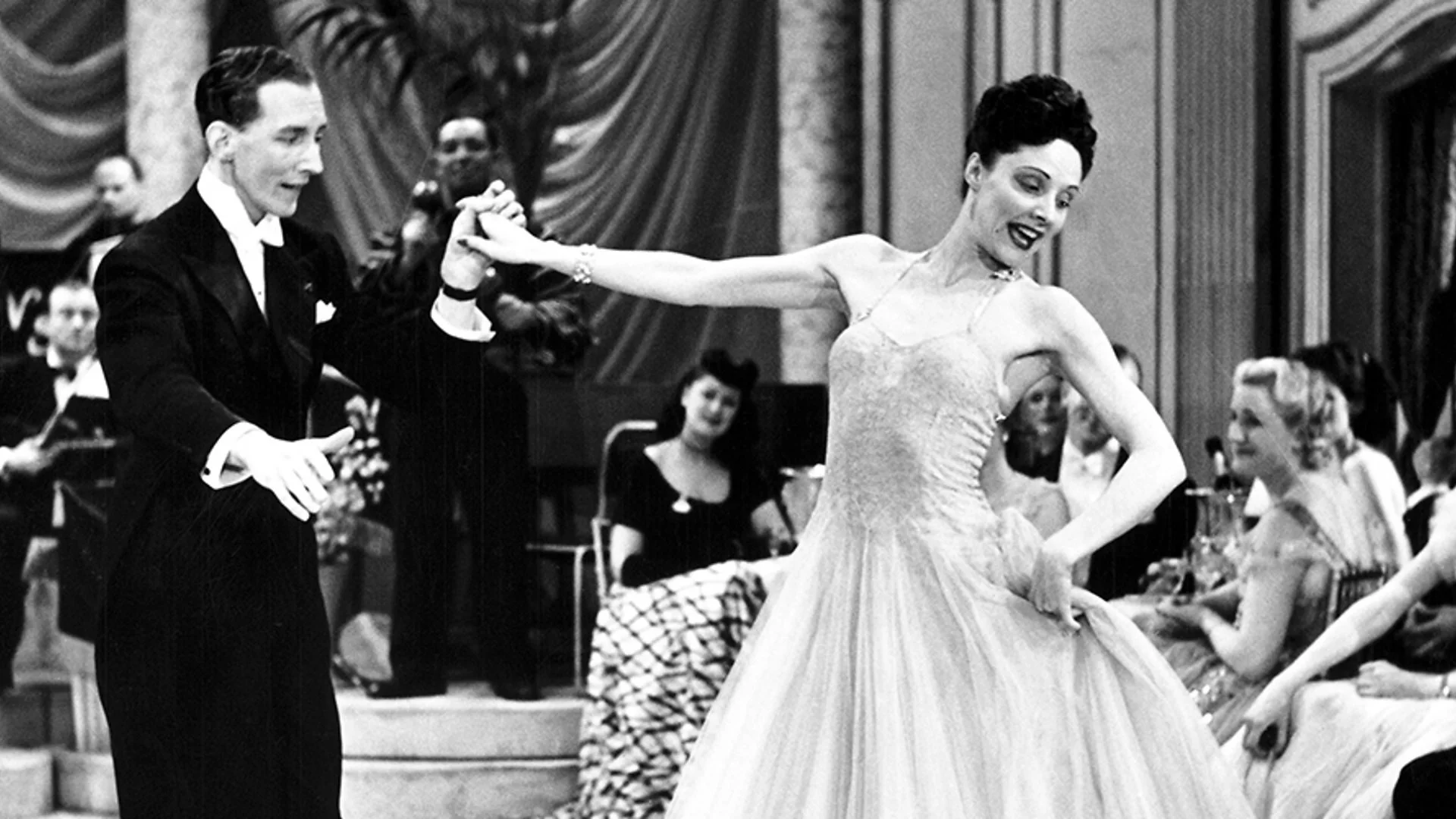
Standard Ballroom: Ballroom dancing, as we know it today, developed in Europe in the early 20th century. It drew on old folk dances like the Waltz as well as new dances from the United States like the Foxtrot and Quickstep, formalizing them into codified steps and technique. Ballroom is characterized by elegance, long flowing lines, and the iconic dance hold that partners maintain throughout. The Tango is included in this category even though it is from Latin America.
Latin American: Latin dances come from Latin America and the Caribbean, with African and European influences blending into rhythms like the Cha Cha, Samba, and Rumba. Over time, these dances were adapted into a competitive format, emphasizing hip action, rhythm, and dynamic performance. Paso Doble is included among these, even though it is a European dance, along with the Jive which emerged in the United States.
The Dances
Standard Ballroom includes five dances:
Waltz – graceful, flowing, with a distinctive rise and fall
Tango – sharp, dramatic, and passionate
Viennese Waltz – fast, rotating, elegant
Foxtrot – smooth and sophisticated with gliding steps
Quickstep – fast, energetic, with light bouncing movements
Latin includes five dances:
Cha Cha – playful, cheeky, with sharp hip movements
Samba – lively, bouncing, with a Brazilian carnival feel
Rumba – slow, sensual, telling a story of love
Paso Doble – dramatic, inspired by Spanish bullfighting
Jive – upbeat, fast, and full of kicks and foot flicks
Technique and Movement Style
Ballroom Technique:
Partners maintain a closed frame almost continuously
Movement is expansive, sweeping across the floor
Emphasis on posture, rise and fall, and floor coverage
The overall look is refined, elegant, and smooth
Latin Technique:
Partners frequently open out from each other, allowing more solo expression
Strong focus on body action, particularly hip movement (Cuban motion)
Energy is grounded, rhythmical, and sharp
The look is dynamic, passionate, and often flirtatious
Costumes and Presentation
Ballroom Costumes:
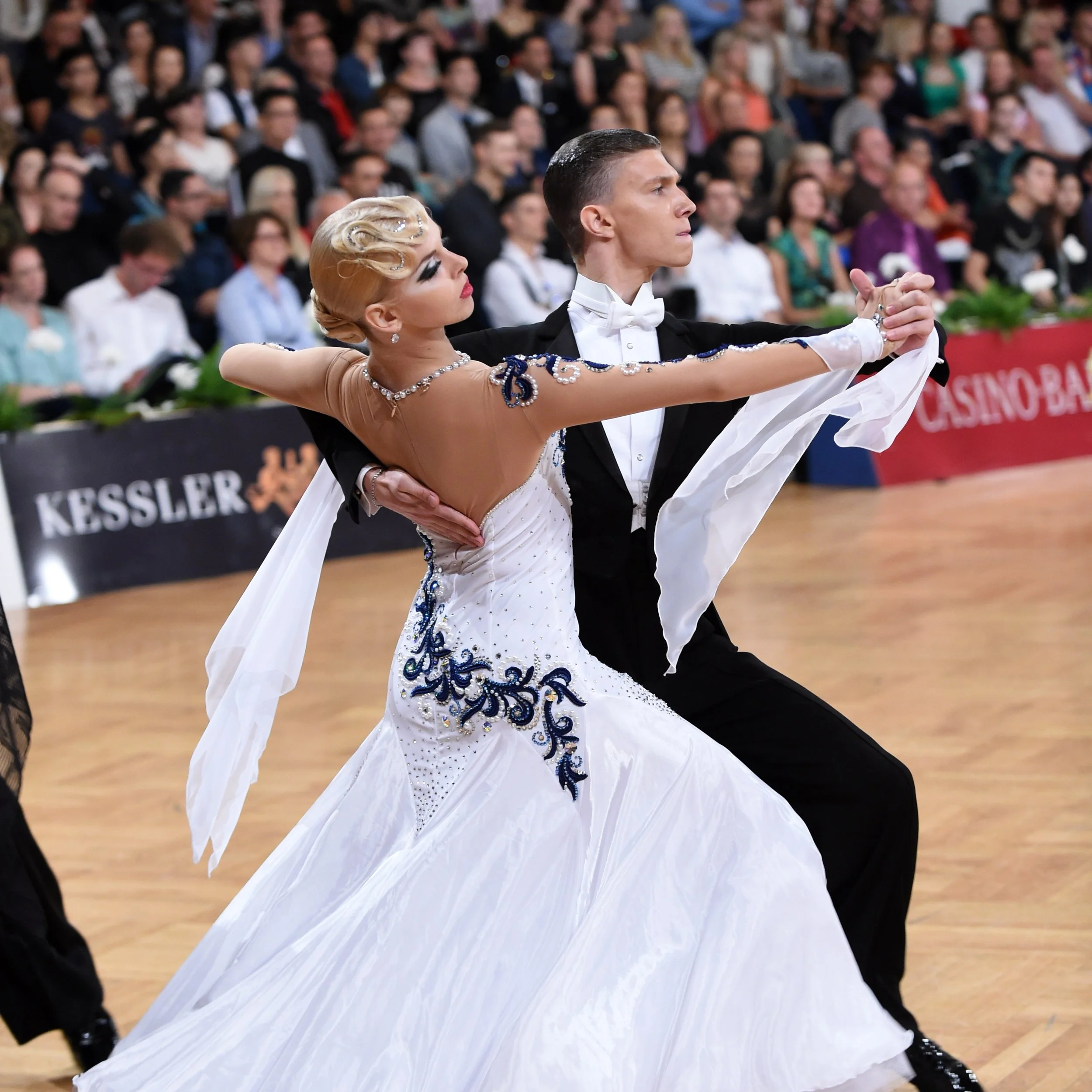
Women: ankle length flowing gowns with layers of fabric to enhance movement
Men: tail suits or sleek suits in dark colors
The look is regal and elegant
Latin Costumes:
Women: shorter dresses, often with fringe or sparkles to highlight body movement
Men: tight-fitting shirts or open-chested outfits that allow freedom of movement
The look is bold, vibrant, and often dramatic
Music and Atmosphere
Ballroom Music:
Classical or orchestral arrangements
Melodic, sweeping, and romantic
The exception is Quickstep, which is up beat big band music
Latin Music:
Percussion-heavy with syncopated rhythms
Often lively, energetic, and rooted in cultural traditions
The exception is Paso Doble, which is almost always dance to a single song
How it Feels to Dance Each Style
Dancing Ballroom: You feel like you’re gliding across the floor, almost like floating. There’s a sense of unity with your partner as you move as one unit.
Dancing Latin: You feel grounded, powerful, and expressive. The dances allow you to showcase personality and connection with your partner in a fiery, rhythmic way.
Which One Should You Learn?
It depends on your personality, goals, and preferences:
If you love elegance, grace, and a more formal style… start with Ballroom
If you love energy, rhythm, and playful movement… start with Latin
If you want to be well-rounded and challenge yourself… try both!
At our Las Vegas studio, we encourage students to try a little of everything before choosing a specialty.
The Social Side of Ballroom and Latin
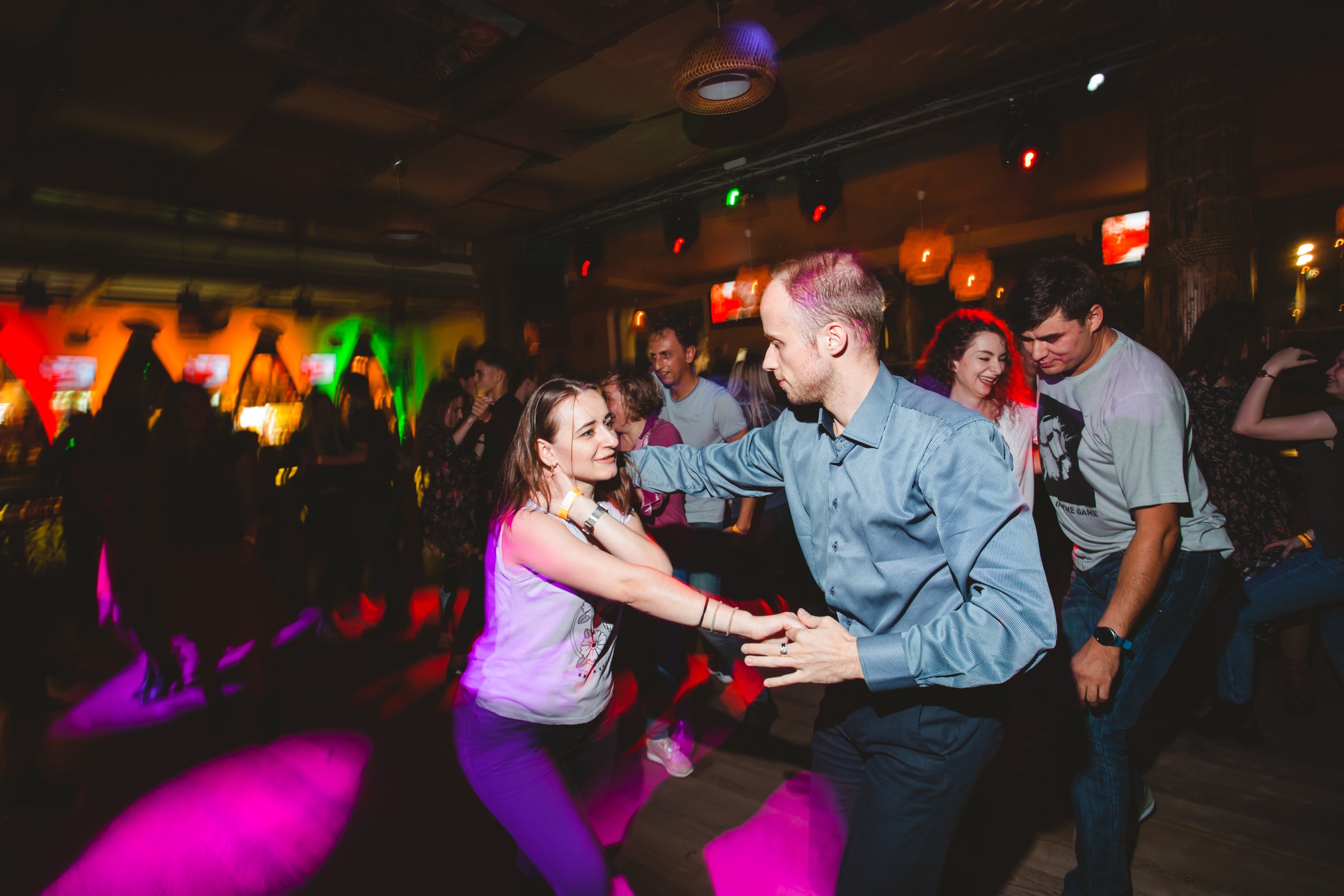
There are plenty of social dances all around town where people come together to dance a mix of the Ballroom and Latin dances. It's perfect for a fun night out while being active and meeting new people. Beyond that, there are formal events that focus on only the Ballroom dances, and Latin clubs that focus on only the Latin dances.
Conclusion
Ballroom and Latin may be grouped together, but they’re very different worlds. Ballroom is elegance and grace, while Latin is rhythm and passion. Both demand skill, discipline, and artistry, and both can transform the way you move, feel, and express yourself.
At Vegas Ballroom Dance, we train dancers of all levels, no matter their goals. Whether you are an advanced dancer who wants to win the gold, or a new dancer who wants to feel more confident about going out dancing. We have got you covered!
